Understanding La Fada Morgana: Nature's Illusion Explained
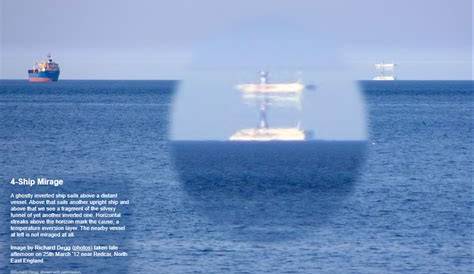
If you're heading to a coastal destination, understanding La Fada Morgana—a captivating optical phenomenon—can enhance your travel experience. This complex form of superior mirage transforms the horizon into enchanting scenes, often making distant objects like ships and coastlines appear distorted or elevated. By grasping the science behind this phenomenon, you'll appreciate the natural world's wonders and increase your chances of spotting it during your trip.
What exactly is La Fada Morgana?
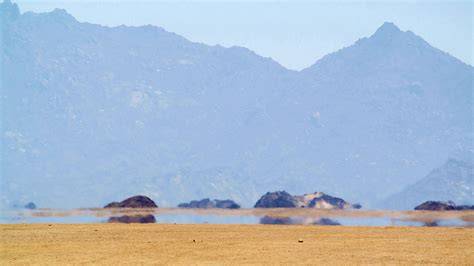
La Fada Morgana is an intriguing optical phenomenon that occurs when light rays bend through layers of air at different temperatures, creating a superior mirage. This mirage often appears over the horizon, giving the illusion of objects floating in the sky or distorting their shapes. You might see what looks like castles or entire cities hovering above the water, making the sight feel almost magical. The name itself, derived from the legend of Morgan le Fay from Arthurian folklore, adds a layer of enchantment to this illusion. Unlike typical mirages seen in deserts, which are caused by heat refracting light, La Fada Morgana is more complex, often involving multiple images stacked on top of each other. This makes it a unique visual experience, particularly prevalent in polar regions and coastal areas where the right conditions align.
How does weather create La Fada Morgana?
La Fada Morgana relies heavily on specific atmospheric conditions, particularly temperature inversions. Normally, air temperature decreases with altitude; however, during a temperature inversion, a layer of warmer air traps cooler air near the surface. This layered atmosphere causes light to bend more dramatically, leading to the formation of mirages. You might notice La Fada Morgana on cold days when the sea is warm, or vice versa, as contrasting temperatures create ideal conditions for this phenomenon. Be aware that such weather conditions can be fleeting; the mirage might appear briefly as temperature layers shift. Therefore, staying vigilant is crucial, especially since these conditions often occur in the early morning or late afternoon when the sun is low in the sky.
Where can I see La Fada Morgana?
To witness La Fada Morgana, consider visiting several renowned locations around the world where the phenomenon is frequently reported. The Strait of Messina in Italy is one of the most famous spots, where sailors have marveled at the sight of ships appearing to float above the water. Newfoundland's coast in Canada is another notable location where this phenomenon can sometimes be observed. You may also find it along Arctic coasts or in areas like San Francisco Bay, where the right weather conditions are likely to occur. If you're traveling to these regions, keep an eye on the horizon during early morning or late afternoon, as those times present the best chances to catch a glimpse of this natural wonder.
What are some famous examples of La Fada Morgana?
La Fada Morgana has inspired countless legends and stories throughout history, especially among sailors who rely on visual cues for navigation. A famous example is the tale of the Flying Dutchman, a ghost ship said to appear off the coast of South Africa. Sailors have often attributed sightings of phantom ships to La Fada Morgana, believing they witnessed supernatural occurrences. In literature, the phenomenon has been depicted as a magical sight, influencing various narratives and artistic representations. Local legends often arise around these sightings, enriching the cultural lore of regions where La Fada Morgana frequently occurs.
How can I photograph La Fada Morgana effectively?
Capturing La Fada Morgana can be a rewarding experience, but it requires some planning. First, choose a location known for its occurrences, such as the coast of Messina or Newfoundland, and time your visit for early morning or late afternoon. These times typically offer the best light and temperature conditions for the phenomenon. Use a camera with good zoom capabilities, as the mirage may appear far off in the distance. A tripod can help stabilize your shots, particularly in lower light conditions. Stay attentive to the horizon and be ready to shoot quickly; these illusions can change rapidly as weather conditions shift. Additionally, consider using a polarizing filter to reduce glare from the water, which can enhance the clarity of your images.
Conclusion
To make the most of your upcoming trip, focus on specific locations where La Fada Morgana is commonly seen and plan your visits around the best times for viewing. Monitor the weather, as temperature inversions are key to experiencing this phenomenon. When you spot it, take a moment to appreciate both the illusion and the science behind it—understanding what creates this magic makes it even more special. With patience and a good camera, you'll have the opportunity to capture a moment that feels truly otherworldly.
Frequently Asked Questions
What causes La Fada Morgana?
La Fada Morgana is caused by temperature inversions in the atmosphere, where layers of warm air trap cooler air near the surface, bending light rays and creating a mirage.
Is La Fada Morgana the same as a regular mirage?
No, La Fada Morgana is a complex form of superior mirage that occurs over the horizon and can involve multiple images and distortions, unlike typical mirages which are simpler and usually seen in deserts.
Can anyone see La Fada Morgana?
Yes, anyone can potentially witness La Fada Morgana, but it requires specific weather conditions to be present, making it more common in certain locations and times.
When is the best time to see La Fada Morgana?
The best times to see La Fada Morgana are usually early in the morning or late in the afternoon when the sun is low, and temperature inversions are more likely to occur.
Are there any myths related to La Fada Morgana?
Yes, many myths and legends surround La Fada Morgana, particularly among sailors, who often attributed sightings of ghost ships or phantom islands to this optical phenomenon.