Exploring Krka Monastery: A Hidden Gem in Croatia
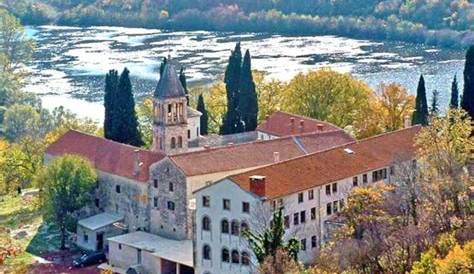
If you're planning a trip to Croatia and have a keen interest in historical and spiritual sites, Krka Monastery is a remarkable destination. Located in the stunning Krka National Park, this serene monastery is not only a place of worship but also a significant piece of Croatian heritage. With its rich history and breathtaking natural surroundings, visiting Krka Monastery provides a unique blend of spirituality and nature, making it a perfect stop on your Croatian journey.
What makes Krka Monastery special?
Krka Monastery, officially known as the Monastery of St. Nicholas, has a rich history dating back to the 15th century. It is situated along the banks of the Krka River, which has played a vital role in the area's cultural and spiritual life. The monastery serves as a keeper of Croatian cultural heritage, housing important artifacts, manuscripts, and artwork that illustrate the region's history. Its architecture features strong stone walls and beautiful frescoes, reflecting a harmony between spirituality and nature. Many visitors find peace here, drawn by the monastery's tranquil atmosphere and the stunning backdrop of waterfalls and lush greenery. As a center for spiritual learning and community for centuries, the monastery is a hidden gem worth visiting.
How do I get to Krka Monastery?
Reaching Krka Monastery is straightforward from major cities such as Šibenik and Split. From Šibenik, the drive takes about 30 minutes via the D56 road, which offers scenic views. If you’re coming from Split, expect about an hour's drive via the A1 motorway and D56. Public transport is also available; you can catch a bus from both cities to Skradin, the nearest town to the monastery, with regular services, especially during the tourist season. Once in Skradin, you can either walk or take a short taxi ride to the monastery, enjoying a pleasant stroll through the picturesque surroundings of Krka National Park.
What can I see at Krka Monastery?
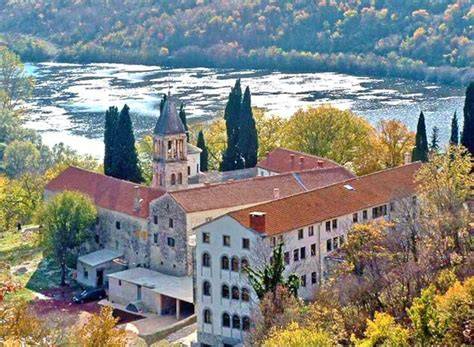
At Krka Monastery, you'll experience a blend of architectural beauty and natural splendor. The main church, dedicated to St. Nicholas, features stunning frescoes and an altar that reflects Orthodox tradition. As you explore the grounds, take note of the peaceful gardens, which provide space for reflection and meditation. The backdrop of the Krka River and nearby waterfalls enhances the monastery's beauty, making it a perfect spot for photography. You might also find small exhibitions that outline the monastery's history and significance. The surrounding area is rich in flora and fauna, so keep an eye out for local wildlife and the natural beauty that characterizes this part of Croatia.
What should I know before my visit?
Before visiting Krka Monastery, dress modestly, as it is an active place of worship. Comfortable walking shoes are recommended for exploring the natural paths around the monastery. Entry is typically free, but donations are appreciated to help with maintenance. The best times to visit are early in the morning or later in the afternoon to avoid crowds, especially during peak tourist season. In summer, be prepared for higher temperatures; bringing water and sunscreen is advisable. Check the local schedule for any religious services or events occurring during your visit, as this could enhance your experience.
Are there any nearby attractions worth exploring?
Yes, the area surrounding Krka Monastery is rich with attractions. Just a short distance away is Skradinski Buk, one of the most stunning waterfalls in Krka National Park, where you can swim and enjoy the natural beauty. The historical town of Skradin offers quaint cafés and shops where you can taste local cuisine. If you have more time, consider visiting Šibenik, known for its UNESCO-listed Cathedral of St. James and charming old town. Krka National Park also features numerous hiking trails, providing opportunities to explore the diverse landscapes of waterfalls, lakes, and lush forests.
Conclusion
To experience the tranquility and history of Krka Monastery, plan your journey from Šibenik or Split during less crowded times. Dress appropriately and prepare for a peaceful visit surrounded by natural beauty. Take time to explore the surrounding area, as it enriches your overall experience, leaving you feeling renewed and connected to both nature and history.
Frequently Asked Questions
Is Krka Monastery open to the public?
Yes, Krka Monastery is open to the public, and visitors can explore its grounds and admire the architecture. It's wise to check for specific visiting hours or events before your trip.
Can I take photos inside the monastery?
Photography policies can vary, so it's best to ask a staff member upon arrival. Generally, outdoor photography is allowed, but be respectful of the spiritual environment inside.
Are there guided tours available at Krka Monastery?
Guided tours may not be specific to the monastery, but you can find tours of Krka National Park that include stops at the monastery. Check with local tour companies for available options.
What is the best time of year to visit Krka Monastery?
The best times to visit are during spring and early fall when the weather is mild and the park is less crowded. Summer can be beautiful but also quite busy.
Is there an entry fee for Krka Monastery?
Entry to Krka Monastery is usually free, but donations are appreciated to support its upkeep. Always check for any updates regarding fees before your visit.