Understanding Juvenile Life Insurance: A Smart Move for Your Child’s Future
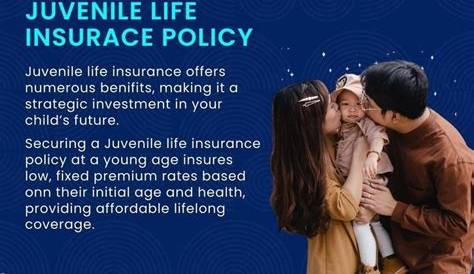
Juvenile life insurance is a valuable option for parents looking to secure their child's financial future. This type of policy provides coverage designed specifically for children, offering benefits that can last a lifetime. Understanding how juvenile life insurance works, its benefits, and its limitations can help you determine if it's the right choice for your family.
What exactly is juvenile life insurance?
Juvenile life insurance is a life insurance policy that covers minors, typically from birth to age 18. It differs from adult policies in coverage amounts, premium costs, and unique benefits. The primary purpose of these policies is to provide a financial safety net for children, ensuring that in the unfortunate event of their passing, funds are available for costs like funeral expenses. Additionally, juvenile life insurance can help establish a financial foundation for your child, making it easier for them to secure life insurance in the future, regardless of any health issues that may arise.
Why should I consider life insurance for my child?
There are several advantages to purchasing juvenile life insurance. First, it guarantees financial security for your child. In a tragic event, the death benefit can help cover funeral costs or other unexpected expenses, easing the financial burden on your family. Second, these policies often come with a guaranteed insurability option, allowing your child to secure additional coverage later in life without undergoing medical underwriting, regardless of any health changes they may experience. Lastly, many juvenile life insurance policies accumulate cash value over time, which can be accessed later for important milestones like college tuition or a down payment on a home, providing your child with financial flexibility as they grow.

What are the potential downsides of these policies?
While juvenile life insurance offers benefits, there are also drawbacks to consider. One common concern is cost; premiums for juvenile life insurance can be higher than expected, especially for policies with cash value components. As a parent, you might question whether it's necessary, given that children typically have fewer financial responsibilities than adults. Moreover, if you purchase a policy without fully understanding your child's future insurance needs, it might not adequately cover them later on. It's crucial to assess whether the benefits of juvenile life insurance align with your family's overall financial goals.

How do I choose the right juvenile life insurance policy?
Choosing the right juvenile life insurance policy involves evaluating several factors. Start by determining the coverage amount you'll need, considering future expenses such as education or other financial support for your child. Next, compare premium costs among different insurers, as these can vary widely depending on policy features and the insurer's reputation. It's also essential to investigate the company’s financial strength and customer service ratings. A company with a strong track record can provide peace of mind that they will be there when you need them. Finally, review the policy’s terms, including whether it has a cash value component and how that value grows over time.
What steps should I take to apply for juvenile life insurance?
Applying for juvenile life insurance typically involves a straightforward process. First, gather necessary documentation, including your child's birth certificate and, in some cases, medical records. Insurance companies may require a health questionnaire regarding the child's medical history. Next, fill out the application, which includes personal information about both the child and the policyholder. Be prepared for a possible medical exam, although many policies for children do not require one. After submission, the insurer will review the application and determine the premium based on the child's health and the coverage amount requested.
Conclusion
If you're considering juvenile life insurance, start by evaluating your family's financial situation and your child's future needs. Look for a policy that fits your budget while providing adequate coverage. A well-chosen juvenile life insurance policy can offer peace of mind, knowing your child’s future financial security is in place, and it opens doors for them later in life.
Frequently Asked Questions
What age can a child be insured under a juvenile life insurance policy?
Typically, a child can be insured as early as a few days old, with policies available for children up to age 18. Some insurers may even offer coverage for unborn children through prenatal policies.
Can I convert a juvenile life insurance policy to an adult policy?
Yes, many juvenile life insurance policies have a conversion option that allows you to convert the policy to an adult policy once the child reaches a certain age, often without requiring a medical exam.
Is juvenile life insurance worth the cost?
The value of juvenile life insurance depends on your family's financial goals. If you're seeking to secure future insurability or want a savings component for your child, it can be a valuable investment.
What happens to the policy if my child outlives it?
If your child outlives the policy, it can usually be converted into an adult policy, allowing them to continue coverage. Additionally, any cash value that has accrued can be accessed.
Are there any tax implications for juvenile life insurance?
In most cases, the death benefit from a juvenile life insurance policy is not subject to income tax. However, any cash value growth may be subject to taxes if withdrawn or surrendered.