The Legendary Story of Johnny Vander Meer's No-Hitters
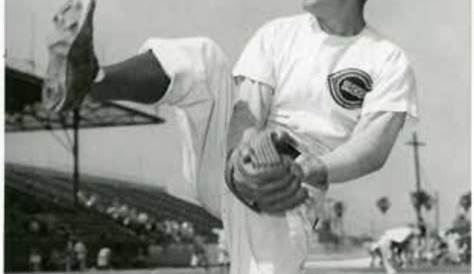
Johnny Vander Meer is renowned for achieving two consecutive no-hitters in Major League Baseball, a remarkable feat that took place in June 1938. This accomplishment not only made him a significant figure in baseball history but also established a standard of pitching excellence that remains unmatched. If you're interested in the details of these games, their significance in the context of baseball history, and how Vander Meer's career evolved afterward, you're in the right place.
What did Johnny Vander Meer achieve with his no-hitters?
Johnny Vander Meer's consecutive no-hitters occurred on June 11 and June 15, 1938, while he pitched for the Cincinnati Reds. In the first game against the Boston Bees, Vander Meer recorded 7 strikeouts and allowed only one baserunner due to a walk. Just four days later, he faced the Brooklyn Dodgers and matched his earlier success, striking out 8 batters in another no-hitter. This unprecedented achievement made Vander Meer the only pitcher in Major League Baseball history to throw no-hitters in back-to-back games, a record that still stands today. These performances showcased his exceptional talent and sparked discussions about pitching dominance in baseball, setting a high bar for future pitchers regarding skill and endurance in the competitive landscape of professional baseball.
What was the state of baseball in the late 1930s?
In the late 1930s, baseball was thriving in popularity, though it faced challenges from the lingering effects of the Great Depression, which impacted attendance and financial stability across the league. Despite these challenges, teams like the Yankees, Cubs, and Dodgers remained fan favorites. This era also saw the rise of legendary players such as Joe DiMaggio and Ted Williams, who would help shape the future of the sport. The game's strategies were evolving, with a shift toward more aggressive play and an increasing emphasis on pitching. The late 1930s marked the transition from the dead-ball era to a more offensive-minded approach, paving the way for the home run explosion that would follow in the 1940s and 1950s.
How did Vander Meer's career change after the no-hitters?
Following his historic no-hitters, Johnny Vander Meer's career took a mixed path. He received acclaim for his remarkable achievement, but also faced numerous challenges. Although he had a strong season in 1939, winning 17 games, injuries began to hinder his performance. By the mid-1940s, Vander Meer struggled to maintain his previous form, ultimately finishing his career with a 119-121 record and a 3.44 ERA. While these statistics are respectable, they did not reflect the peak potential fans had witnessed during his no-hit games. Vander Meer continued to pitch until 1949, but injuries and inconsistencies prevented him from replicating his earlier successes.
What records or milestones did Vander Meer hold?
Vander Meer set a remarkable record with his two consecutive no-hitters, a milestone that remains unmatched in Major League Baseball history. His achievement is often discussed alongside other notable pitching records, such as the most no-hitters in a career, which is currently held by Nolan Ryan with seven. Vander Meer's consecutive no-hitters are distinguished not only by their rarity but also by the immense pressure and skill required to achieve them. His name frequently comes up in conversations about pitching greatness and serves as a benchmark for modern pitchers, even as the game has evolved significantly since his era.
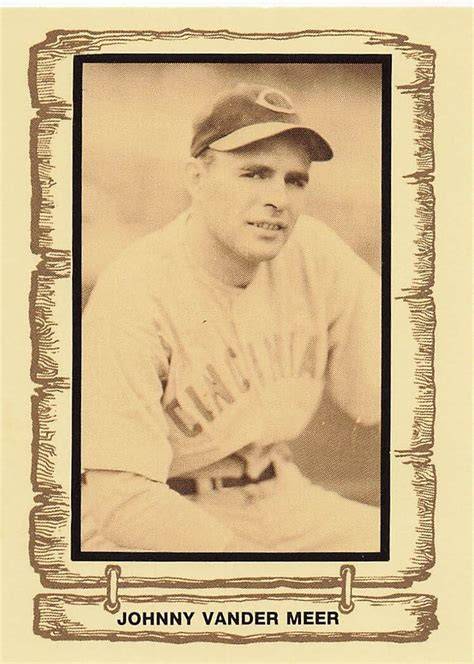
What can we learn from Vander Meer's story today?
Johnny Vander Meer's story illustrates the unpredictability of sports and the importance of resilience. His back-to-back no-hitters remind us that extraordinary achievements are possible, often followed by setbacks. Vander Meer's experience demonstrates that talent alone does not guarantee sustained success, as injuries and external factors can significantly influence a career trajectory. His legacy celebrates historical achievements in baseball, urging fans and players alike to appreciate the unique moments that define the sport.
Conclusion
To fully appreciate Johnny Vander Meer's impact on baseball, start by watching highlights of his no-hitters to witness the skill and intensity of those games. Focus on the history and the stories behind achievements like his, rather than getting lost in modern statistics. Understanding his legacy can enhance your appreciation for today's game and the significance of persistence in an athlete's career.
Frequently Asked Questions
What teams did Johnny Vander Meer play for during his career?
Johnny Vander Meer primarily played for the Cincinnati Reds, where he gained fame for his no-hitters. He also had stints with the Chicago Cubs and the Brooklyn Dodgers later in his career.
How long did Vander Meer's no-hitter record stand?
Vander Meer's record of two consecutive no-hitters has stood since June 1938 and remains unmatched in Major League Baseball history.
Did Vander Meer win any awards during his career?
While Vander Meer did not win any major awards like the Cy Young, he was recognized as an All-Star in 1938, the same year as his historic no-hitters.
What was Johnny Vander Meer's pitching style?
Vander Meer was known for his left-handed pitching and a strong fastball. He developed a reputation as a durable pitcher capable of handling pressure situations, particularly evident during his no-hitters.
What happened to Vander Meer after he retired from baseball?
After retiring from baseball, Vander Meer remained involved in the sport through various roles, including coaching and managing in the minor leagues, and he continued to be a respected figure in baseball until his passing.