Understanding J. Ernest Wilkins Jr.: A Pioneer in Science
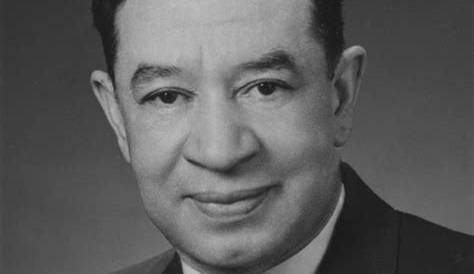
J. Ernest Wilkins Jr. was a distinguished African American scientist known for his pioneering work in nuclear physics and his commitment to civil rights. His efforts not only advanced scientific knowledge but also promoted equity in education and employment for marginalized communities.
Who was J. Ernest Wilkins Jr.?
J. Ernest Wilkins Jr. was born on August 27, 1923, in Chicago, Illinois. He exhibited exceptional talent in mathematics and science from a young age, graduating from high school at just 16. Wilkins attended the University of Illinois at Urbana-Champaign, where he earned his bachelor's degree in mathematics and a master's in physics by the age of 19. He later completed his Ph.D. in nuclear physics at the University of Chicago, becoming one of the youngest individuals to earn a doctorate in the field.
What were his major contributions to science?
Wilkins made significant strides in nuclear physics, particularly during his time with the Manhattan Project, where he contributed to the development of nuclear reactors. For example, he played a key role in designing the first nuclear reactor at the University of Chicago, a pivotal step in the advancement of nuclear energy. His research also focused on neutron transport theory, essential for understanding neutron behavior in nuclear reactions. This work has far-reaching implications for energy production, nuclear safety, and medical applications.
How did he advocate for civil rights?
Wilkins was not only a brilliant scientist but also a dedicated advocate for civil rights. He utilized his platform to highlight the importance of diversity in science and education. During the 1960s, he actively participated in organizations such as the NAACP and the Urban League, striving to eliminate barriers for African Americans in science and engineering. He frequently addressed the need for equal educational opportunities, arguing that a diverse scientific community fosters broader perspectives and innovations.
What is his legacy today?
Wilkins' legacy continues to inspire future generations in STEM fields. His work has influenced policies aimed at increasing diversity within scientific disciplines. Numerous scholarships and programs have been established in his name to promote education for underrepresented students. In recent years, he has been recognized posthumously for his contributions, receiving honors from institutions dedicated to enhancing diversity in science and technology. His life is a reminder of the ongoing struggle for equity in STEM.
Common misconceptions about Wilkins' work
One common misconception is that Wilkins' contributions were limited solely to nuclear physics. While his scientific work was substantial, his advocacy for civil rights was equally impactful. Some may mistakenly believe that his influence ended with his lifetime, overlooking how his efforts have shaped current discussions about diversity in STEM fields. It is essential to recognize that his legacy encompasses both his scientific achievements and his commitment to social justice.
Conclusion
To further explore J. Ernest Wilkins Jr.'s impact, consider examining current initiatives that promote diversity in STEM, tracing their roots back to his advocacy. Engaging with organizations focused on educational equity can provide insights into the ongoing relevance of his work.
Frequently Asked Questions
What were J. Ernest Wilkins Jr.'s major achievements?
His major achievements include significant contributions to nuclear physics and active involvement in civil rights advocacy.
Why is Wilkins' advocacy important in today's context?
His advocacy highlights the need for diversity and inclusion in science, enhancing innovation and addressing social inequities.
How did J. Ernest Wilkins Jr. influence future generations?
He influenced future generations by serving as a role model and inspiring policies that promote diversity in STEM education and careers.
What is the significance of Wilkins' work in nuclear physics?
His work contributed to advancements in nuclear energy and safety, impacting both scientific research and practical applications in various fields.