Understanding Indonesia's Role in the 2026 Asian Games
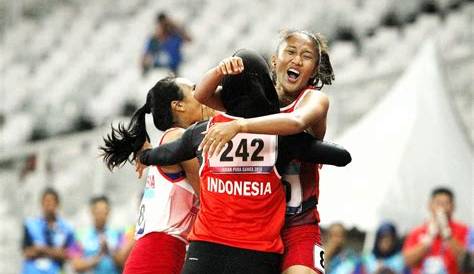
The 2026 Asian Games will be a major multi-sport event held in Indonesia, marking the country's commitment to enhancing its sports culture. As the host nation, Indonesia not only aims to improve its historical performance but also to invest significantly in sports infrastructure and athlete development for the Games.
What is the Asian Games and why does it matter?
The Asian Games is a multi-sport event held every four years, featuring athletes from across Asia. It promotes regional unity and athletic excellence while attracting a large audience and media attention. Hosting or participating in the Asian Games can boost a country's sports profile and inspire future generations of athletes.
How has Indonesia performed in past Asian Games?
Indonesia has had a mixed track record in the Asian Games, achieving notable successes and facing challenges. For instance, in the 2018 Asian Games held in Jakarta and Palembang, Indonesia finished fourth in the medal tally, securing 31 golds among 98 total medals. This performance marked a significant improvement from previous editions, showcasing the nation's potential in various sports. However, the country has historically struggled in some disciplines, often competing against stronger nations like China and Japan. Overall, Indonesia aims to build on its past achievements and enhance its competitive edge.
What sports will Indonesia prioritize for the 2026 Games?
Indonesia will focus on several key sports for the 2026 Asian Games, particularly those where it has traditionally excelled. Sports like badminton, weightlifting, and archery are expected to be prioritized due to Indonesia's history of success in these areas. Additionally, the Indonesian government and sports authorities are likely to invest in emerging sports such as esports and basketball, which are gaining popularity and could attract youth engagement.
What preparations are underway for the 2026 Games?
In preparation for the 2026 Games, Indonesia is undertaking significant infrastructure developments and training programs. Major facilities are being upgraded or constructed to meet international standards, including stadiums and athlete villages. Furthermore, the government is investing in comprehensive training programs for athletes, coaches, and officials to enhance performance and ensure they are well-prepared for competition. This proactive approach aims to create a supportive environment for athletes leading up to the Games.
What challenges does Indonesia face in hosting the Games?
Indonesia faces several challenges as it prepares to host the 2026 Asian Games. Logistical issues, such as transportation and accommodation for athletes and visitors, require careful planning to avoid bottlenecks. Financial constraints may also pose hurdles, as funding for infrastructure and programs can be limited. Additionally, ensuring that Indonesian athletes remain competitive, particularly against stronger teams from other countries, necessitates ongoing investment in sports development.
Conclusion
As Indonesia prepares for the 2026 Asian Games, the event represents a significant opportunity for the nation to showcase its sporting talent on an international stage. Fans and aspiring athletes can look forward to Indonesia's efforts in promoting sports and national unity, with potential impacts that extend beyond the event itself.
Frequently Asked Questions
What are the dates for the 2026 Asian Games?
The exact dates for the 2026 Asian Games are yet to be announced, but they will typically occur in September.
How can I support Indonesian athletes during the Games?
You can support Indonesian athletes by attending the events, following them on social media, and engaging with local sports initiatives.
Will there be new sports introduced in the 2026 Games?
It's possible that new sports will be introduced, particularly those that are gaining popularity, like esports.
How can I stay updated on the preparations for the 2026 Asian Games?
You can stay updated by following official announcements from the Indonesian government and the Asian Games organizing committee.