What You Need to Know About the Hong Kong Bottled Water Scandal
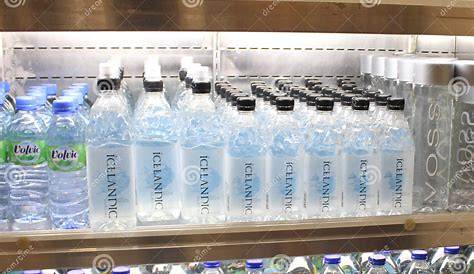
If you've recently learned about the Hong Kong bottled water scandal, you may be worried about the safety of the bottled water you buy. The scandal arose when authorities discovered that several brands contained harmful contaminants, raising significant concerns about consumer safety. Understanding the background of the scandal and its implications can help you make informed choices about what you drink.
What happened in the Hong Kong bottled water scandal?
The Hong Kong bottled water scandal emerged in late 2022 following routine inspections that revealed elevated levels of contaminants, including heavy metals and bacteria, in certain bottled water brands. The Hong Kong Food and Environmental Hygiene Department responded promptly, initiating a recall of affected products and advising consumers to cease use. Investigations into the contamination traced lapses in quality control and safety protocols among some producers. As news of the scandal circulated, consumer trust in bottled water diminished, leading to a demand for greater transparency in production processes.
Which brands were affected and what were the findings?
Several well-known brands were implicated, both local and international. Tests revealed contaminants such as lead, arsenic, and coliform bacteria, which raised serious health concerns. For instance, one widely sold brand had to recall thousands of bottles after tests indicated contamination levels above safety limits. In response, many companies have since improved their filtration and testing processes, but the impact on their reputations may be lasting. Consumers are now more cautious, often scrutinizing labels and favoring brands that provide clear information about their sourcing and testing.
How does this affect my bottled water purchases?
The scandal underscores the need for vigilance when choosing bottled water. While many brands remain safe, it serves as a reminder that product quality can vary significantly. It's essential to be aware of potential health risks associated with contaminated water, which can lead to gastrointestinal issues or more serious long-term effects. To identify safe options, look for brands that are transparent about their water source and purification methods, and check for safety certifications. Stay informed about product recalls or safety alerts.
What should I do if I have purchased affected bottled water?
If you suspect that you have purchased bottled water from brands involved in the scandal, first check for recall notices from those brands. If your product is affected, follow the manufacturer's instructions for returning it for a refund. Additionally, monitor your health for any symptoms that may arise from consuming contaminated water. If you experience unusual symptoms, consult a healthcare professional. Keeping receipts can help when seeking refunds or exchanges.
Where can I find safe bottled water alternatives?
Finding safe bottled water alternatives is crucial in light of the scandal. Look for established brands with a proven safety record. Brands that undergo third-party testing and provide transparency about their sourcing and filtration processes tend to be more reliable. Consider purchasing water from brands that use spring water or reverse osmosis filtration, as these methods generally reduce contaminants. Local health departments often provide lists of safe bottled water options in your area.
Conclusion
Take immediate steps to ensure the bottled water you consume is safe. Start by checking if any of your current products are part of the recall, and if so, return them for a refund. Moving forward, prioritize brands that are transparent about their safety practices and sourcing. This approach will help you feel confident about the bottled water you choose, knowing it meets safety standards and is free from harmful contaminants.
Frequently Asked Questions
What contaminants were found in the Hong Kong bottled water scandal?
Key contaminants included heavy metals like lead and arsenic, as well as bacteria such as coliform, which can indicate fecal contamination. These findings raised significant health concerns for consumers.
How can I tell if my bottled water is safe?
To determine if your bottled water is safe, check for recalls from the brand, look for transparency about their sourcing and testing, and ensure the product has safety certifications. Brands that provide detailed information about their purification processes are generally more trustworthy.
What should I do if I feel sick after drinking affected bottled water?
If you feel unwell after consuming bottled water from brands involved in the scandal, monitor your symptoms closely. If they persist or worsen, consult a healthcare professional for guidance.
Are all bottled water brands unsafe now?
Not all bottled water brands are unsafe; many continue to meet safety standards. However, the scandal has prompted increased scrutiny, so it's essential to choose brands that are transparent and reliable.
Can I still drink bottled water safely?
Yes, you can still drink bottled water safely by selecting reputable brands that have not been implicated in the scandal and that provide clear information about their safety practices.