Understanding Hinkley Point B Nuclear Power Station
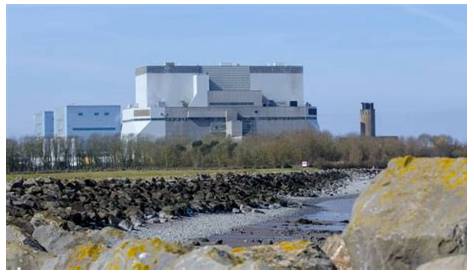
Hinkley Point B is a nuclear power station located near Bridgwater in Somerset, England. It began operations in 1976 and is currently being decommissioned, raising concerns among local residents about its implications for energy supply and safety.
What is Hinkley Point B?
Hinkley Point B is a nuclear power plant that has operated for over 45 years, generating electricity primarily through nuclear fission. Situated on the Bristol Channel, it consists of two advanced gas-cooled reactors (AGRs) which have been pivotal in providing low-carbon energy to the national grid. Over the years, it has significantly reduced the UK's reliance on fossil fuels, demonstrating the role of nuclear energy in achieving energy security while also addressing climate concerns.
Why is Hinkley Point B being decommissioned?
The decision to decommission Hinkley Point B stems from a combination of factors, primarily its age and the need for enhanced safety measures. As nuclear plants age, the risk of operational issues increases, and maintaining older reactors can become more complex and costly. The UK government, alongside the plant operators, has opted for decommissioning as a proactive step to ensure safety and reliability in energy production. The original design life of the reactors was around 30 years, and although they have been extended to operate longer, the ongoing viability and safety of aging reactors have come under scrutiny. The decommissioning process aims to safely dismantle the reactors and restore the site for future use.
What are the safety measures during decommissioning?
Safety is a top priority during the decommissioning of Hinkley Point B. The decommissioning process involves several stages, each with strict safety protocols to protect workers and the local community. Key measures include:
- Controlled dismantling: The reactors and associated infrastructure are dismantled in a controlled manner to minimize any risk of radiation exposure.
- Radiological safety assessments: Regular assessments ensure that any radioactive materials are managed safely and within regulatory limits.
- Monitoring: Continuous monitoring of the site’s radiological status is conducted to ensure safety standards are met throughout the decommissioning process.
- Waste management: Any radioactive waste produced is handled according to stringent regulations, ensuring it is stored or disposed of safely.
These measures are designed to ensure that the decommissioning process does not pose risks to public health or the environment.
How does this affect local energy supply?
The decommissioning of Hinkley Point B will inevitably affect local energy supply, as it has been a significant contributor to the electricity grid. Residents may experience changes in energy availability, especially during peak demand periods. However, several steps are being taken to mitigate this impact:
- Investment in renewables: The UK is increasing its investment in renewable energy sources such as wind and solar power to compensate for the loss of nuclear generation.
- Energy efficiency programs: Local initiatives may be introduced to promote energy efficiency among residents, helping to reduce overall demand.
- Alternative energy sources: The grid will likely rely more on gas and imported electricity during the transition period until new renewable projects come online.
While the transition may lead to challenges, efforts are focused on maintaining a stable and secure energy supply for the region.
Conclusion
As Hinkley Point B moves through the decommissioning process, it’s essential for local residents to stay informed about energy developments in the area. Engaging with local energy initiatives and understanding the shift towards renewable sources can help address concerns about energy supply and safety moving forward.
Frequently Asked Questions
What is the timeline for Hinkley Point B's decommissioning?
The decommissioning process began in 2022 and is expected to take several years, with completion anticipated by the mid-2030s.
Will there be job losses due to the decommissioning?
Yes, there will likely be job losses, but the process also creates opportunities in decommissioning and renewable energy sectors.
What happens to the nuclear waste generated by Hinkley Point B?
Nuclear waste will be managed according to strict regulations, with plans for safe storage or disposal in designated facilities.
Are there any safety risks to the local community during decommissioning?
Safety measures are in place to minimize risks, and continuous monitoring is conducted to ensure public safety throughout the process.