Exploring Hinduism in Greece: Cultural Connections
Hinduism has a notable, though often overlooked, presence in Greece. This ancient religion's arrival in the region can be traced back through historical trade routes and cultural exchanges. Today, a small but vibrant Hindu community enriches Greece's cultural landscape, blending their traditions with local practices.
What is the connection between Hinduism and Greece?
The historical connection between Hinduism and Greece dates back to ancient times. Trade routes that linked the Indian subcontinent to Europe facilitated not only the exchange of goods but also ideas and beliefs. Scholars suggest that significant interactions occurred during the conquests of Alexander the Great, who encountered Indian philosophy and culture. This led to a mutual influence where elements of Hindu thought began to permeate Greek culture, especially among philosophers. Notable exchanges occurred between Greek thinkers and Indian sages, as seen in the discussions held by Pythagoras, indicating a blending of ideas. However, the direct impact of Hinduism on Greek society remained limited until the 20th century, particularly with the migration of Indians to Greece, establishing a more tangible connection today.
How is Hinduism practiced in Greece today?
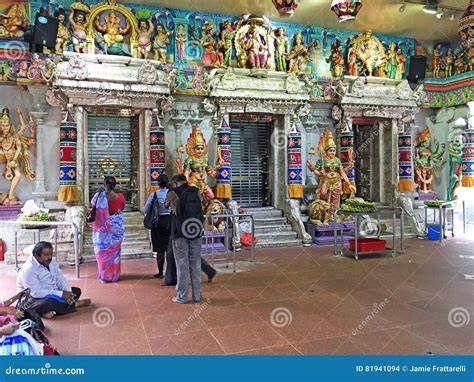
Modern Hindu communities in Greece consist primarily of immigrants from India and other countries where Hinduism is prevalent. Temples can be found in cities like Athens, where worshippers gather for rituals, prayers, and community events. These temples serve as cultural centers, offering spaces for traditional practices and celebrations. Regular gatherings allow members to connect, share meals, and participate in spiritual activities. The community actively shares their customs with the local population, promoting cultural awareness and understanding. Although small, their dedication to preserving their traditions within the Greek context is evident, creating a unique blend of cultures.
What festivals and rituals do Hindus celebrate in Greece?
Hindus in Greece celebrate several key festivals that reflect their heritage, with Diwali and Holi being particularly prominent. Diwali, the festival of lights, is marked by enthusiastic community gatherings in temples, where prayers are offered and traditional sweets are shared. Holi, the festival of colors, is another vibrant celebration where participants throw colored powders, symbolizing the arrival of spring and the victory of good over evil. These festivals are sometimes adapted to incorporate Greek customs and invite participation from non-Hindus, fostering a sense of community and inclusiveness. While the scale of these celebrations might differ from those in India, their essence remains intact.
What are the philosophical similarities between Hinduism and Greek thought?
Hindu philosophy and ancient Greek thought share several intriguing similarities, particularly in their concepts of ethics, metaphysics, and the nature of reality. Both traditions explore the idea of a universal truth and the pursuit of knowledge. Figures like Pythagoras were influenced by Indian thought, especially in their views on mathematics and the cosmos. The notion of karma in Hinduism parallels the Greek idea of fate, suggesting that actions have consequences extending beyond one's immediate life. However, while there are overlaps, each philosophy is rooted in its cultural context and has distinct interpretations. Understanding these connections can enhance your appreciation for both traditions.
How can I learn more about Hinduism in Greece?
If you’re interested in exploring Hinduism further in Greece, there are various resources available. Consider visiting local temples where you can attend events and engage with the community. Many temples offer classes and discussions focused on Hindu philosophy and practices. Additionally, books on the history of Hinduism and its impact on Western thought can provide deeper insights. Online communities and forums can also be valuable for connecting with others interested in this subject. Participating in local cultural events offers firsthand experience of the vibrant practices and traditions present in Greece.
Conclusion
To understand Hinduism's presence in Greece, start by visiting a local Hindu temple and attending a festival. Engaging with the community provides insights into their practices and traditions. Although the Indian influence in Greece may not be as widespread as in other parts of the world, the richness of these cultural exchanges is worth exploring. Hinduism contributes to Greece's diverse cultural mosaic, enhancing both its historical narrative and contemporary practices.
Frequently Asked Questions
Are there many Hindus in Greece?
The Hindu community in Greece is relatively small, consisting mainly of immigrants from India and neighboring countries. Despite their size, they actively preserve their traditions and engage with the local culture.
What are some Hindu temples in Greece?
In Greece, notable Hindu temples can be found in Athens, where cultural and religious gatherings take place. These temples serve as community hubs for worship and celebration.
How do Hindus celebrate Diwali in Greece?
Diwali is celebrated in Greece with community gatherings at temples where prayers are offered, and traditional foods are shared. It's a vibrant event that often invites participation from locals.
Is there a connection between Hindu philosophy and Greek philosophy?
Yes, there are connections between Hindu and Greek philosophies, especially in concepts like ethics and the nature of reality. Influential figures like Pythagoras were known to have drawn inspiration from Indian thought.
How can I participate in Hindu festivals in Greece?
To participate in Hindu festivals in Greece, look for announcements from local temples or community groups. Events like Diwali and Holi are often open to the public and welcome participation from people of all backgrounds.