Understanding Guadalupe Taddei and Her Impact on Democracy
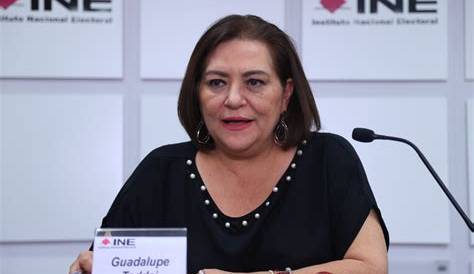
Guadalupe Taddei is a crucial figure in contemporary Mexican politics, particularly in the electoral process. Currently, she serves as the head of Mexico's National Electoral Institute (INE), where she plays a vital role in overseeing federal elections and ensuring their integrity. Her career showcases significant achievements in electoral reform, but she also faces numerous challenges in her efforts to enhance democracy in Mexico.
Who is Guadalupe Taddei?
Guadalupe Taddei is a leading Mexican politician and electoral official, recognized for her dedication to improving the integrity of the electoral process. Born in 1966, she studied political science and law, which provided a strong foundation for her public service career. Taddei's political journey began at the Instituto Electoral del Estado de Sonora, where she gained extensive experience in managing elections and navigating electoral law complexities. In 2020, she was appointed as the head of the National Electoral Institute (INE), a position that has significantly increased her influence in shaping democratic processes in Mexico. Her blend of legal expertise and practical experience in electoral management establishes her as a key figure in contemporary Mexican politics.
What does she do as an electoral official?
As the head of the National Electoral Institute, Guadalupe Taddei oversees federal elections in Mexico, a role that entails a variety of responsibilities. She organizes elections, ensures compliance with electoral laws, and promotes civic education among voters. Taddei's leadership is essential during elections, as she is responsible for maintaining transparency and fairness, which are vital for public trust in the electoral system. Her office also manages voter registration and oversees political party financing, both critical components of a healthy democracy. The effectiveness of Taddei's work directly influences public and international perceptions of Mexican elections. However, this role comes with significant scrutiny; any misstep can lead to political fallout.
What are her major accomplishments?
Guadalupe Taddei has championed several reforms aimed at enhancing electoral integrity in Mexico. One of her key achievements is the implementation of new technologies to improve the voting process, making it more accessible and secure. Under her leadership, the INE has also worked to bolster transparency in political party financing, with the goal of reducing corruption and increasing accountability. Additionally, Taddei has prioritized civic education, launching initiatives to inform citizens about their voting rights and the electoral process. These efforts have contributed to a gradual increase in voter participation, indicating a growing public trust in the electoral system. Her focus on integrity and transparency sets a benchmark for future electoral reforms, though challenges remain in fully realizing this vision.
What challenges has she encountered?
Despite her successes, Guadalupe Taddei has faced numerous challenges throughout her political career. A significant obstacle is the political opposition from various parties that sometimes view the INE's actions as biased against them. This situation can lead to public disputes and allegations of unfairness, undermining the perception of the electoral process. Taddei has also dealt with criticism regarding the INE’s handling of election-related issues, particularly during high-stakes elections. The increasing polarization in Mexican politics presents further challenges, as different factions frequently question the legitimacy of electoral outcomes. Balancing these pressures while striving to maintain electoral integrity is a constant struggle for Taddei.
How does her work impact Mexican democracy?
Guadalupe Taddei's work has significant implications for Mexican democracy, especially as she advocates for reforms that enhance electoral integrity. Her leadership at the INE promotes a more transparent electoral process, which is essential for building public trust. As elections become increasingly reliable and accessible, voter participation is likely to rise, further strengthening democratic engagement among citizens. Taddei's emphasis on civic education empowers voters, encouraging informed decision-making at the polls. However, the political environment in Mexico remains contentious, and her efforts face ongoing challenges. The overall impact of her work is evident in the gradual evolution of Mexico's electoral landscape, where integrity and accountability are becoming more prioritized.
Conclusion
To understand Guadalupe Taddei's impact, focus on her reforms aimed at enhancing electoral integrity and building public trust in the voting process. It is equally important to consider the challenges she faces, as these provide context for her work. The ultimate goal is a more transparent and trusted electoral system in Mexico, which supports a healthier democracy.
Frequently Asked Questions
What position does Guadalupe Taddei hold?
Guadalupe Taddei is the head of the National Electoral Institute (INE) in Mexico, overseeing the administration of federal elections.
What reforms has Guadalupe Taddei implemented?
She has implemented reforms aimed at improving electoral integrity, including the introduction of new technologies for voting and enhancing transparency in political party financing.
What challenges does Guadalupe Taddei face in her role?
Taddei faces political opposition and public scrutiny, particularly from parties that perceive the INE as biased, complicating her efforts to maintain electoral integrity.
How has Taddei contributed to civic education?
Taddei has initiated programs to inform citizens about their voting rights and the electoral process, aiming to boost public engagement and voter turnout.
What is the significance of Taddei's work for Mexican democracy?
Her work significantly fosters a more transparent electoral process, which is essential for building public trust and encouraging democratic participation.