Understanding the Risks: Graffiti and Street-Art Injuries
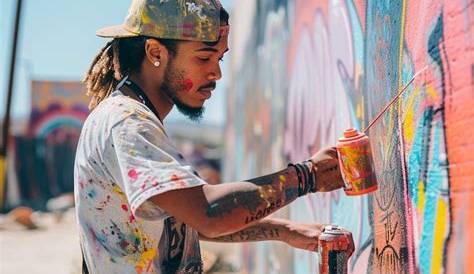
If your child is interested in graffiti and street art, it's essential to understand the safety risks involved. While these artistic forms can be exciting, they also pose significant dangers, including injuries and fatalities from falls, traffic incidents, or confrontations with law enforcement. Being informed about these risks can help you guide your child in pursuing their passion safely.
What are the main dangers of graffiti and street art?
Graffiti and street art can be exhilarating, but they come with considerable risks. Common injuries include falls from heights, which can lead to severe harm, and traffic accidents that occur when artists are unaware of their surroundings. Encounters with law enforcement can also escalate quickly, sometimes leading to reckless behavior that increases the risk of injury. It's vital to understand these dangers to help your child pursue their artistic interests more safely.
Can you share real incidents of injuries and deaths?
Several tragic incidents involving graffiti and street artists highlight the dangers associated with this form of expression. In 2014, a young artist fell from a freeway overpass while trying to reach a high spot to paint, resulting in severe injuries and serving as a wake-up call for the community about the risks of elevated work.
Another incident occurred in 2013 when a graffiti artist was struck and killed by a train while attempting to paint a mural near the tracks. This situation underscores the extreme dangers of working near active transportation routes. Such real-life examples serve as reminders that while creativity can inspire daring actions, those actions can lead to devastating consequences.
What precautions can street artists take?
To minimize risks, aspiring graffiti artists should take several precautions. Choosing locations carefully is crucial; avoiding high places or areas with heavy traffic can significantly reduce the likelihood of accidents. If an elevated position is necessary, using proper scaffolding or ladders for stability is essential.
Wearing protective gear is another smart move. Helmets, knee pads, and gloves can protect against falls and scrapes. Additionally, working in pairs or groups enhances safety, as having someone nearby can assist in emergencies. Planning painting sessions during daylight improves visibility, which is important when navigating urban environments. Being aware of traffic patterns and the potential for law enforcement presence can further reduce risks. These steps can greatly enhance safety while creating art.
How do legal issues affect street artists?
Legal issues are a significant concern for graffiti artists, often leading to dangerous confrontations. Many artists operate in public spaces without permission, resulting in arrests or fines. The fear of getting caught can lead to reckless behavior, such as fleeing from law enforcement, which increases the risk of injury.
The legal ramifications extend beyond immediate encounters; a criminal record can affect an artist's future opportunities, including employment and housing. This creates a cycle where artists feel compelled to take greater risks to avoid detection. Understanding local laws and regulations regarding graffiti can help mitigate some of these risks. Many cities have designated areas for street art, and seeking permission or working within legal boundaries can provide a safer environment for artistic expression.
What resources are available for graffiti artists?
Several organizations and community programs promote safe practices among graffiti artists. For instance, groups like the International Graffiti and Street Art Association (IGSA) offer resources, training, and networking opportunities for artists. They often host workshops focused on safety and legality, helping artists navigate their challenges.
Local art collectives can also provide support by encouraging mural painting in designated areas, allowing artists to express themselves without the risks associated with illegal graffiti. Additionally, online platforms and forums serve as valuable resources where artists can share experiences, safety tips, and advice on overcoming challenges in their craft. Engaging with these communities can help aspiring graffiti artists find safe avenues for their creativity.
Conclusion
Encouraging your child to pursue graffiti and street art can be a rewarding experience, but prioritizing safety is essential. Discuss the importance of choosing safe locations and using protective gear. Help them understand the legal landscape and encourage participation in community programs that promote safe practices. With the right guidance, your child can enjoy their passion for street art while minimizing risks.
Frequently Asked Questions
What injuries are common among graffiti artists?
Common injuries include falls, cuts, and scrapes, especially when working in elevated or unsafe locations. Traffic accidents can also occur if artists are not aware of their surroundings.
Are there any fatalities related to graffiti?
Yes, there have been fatalities where graffiti artists have fallen from heights or been struck by vehicles or trains while working. These incidents highlight the importance of safety.
How can graffiti artists stay legal?
Graffiti artists can stay legal by obtaining permission to paint in designated areas, participating in community mural projects, and understanding local laws regarding street art.
What protective gear should graffiti artists use?
Graffiti artists should consider wearing helmets, knee pads, gloves, and sturdy shoes to protect against falls and injuries while painting.
Are there organizations that support graffiti artists?
Yes, various organizations, such as the International Graffiti and Street Art Association, offer resources, workshops, and networking opportunities for graffiti artists.