A Glossary of Graffiti Terms You Need to Know
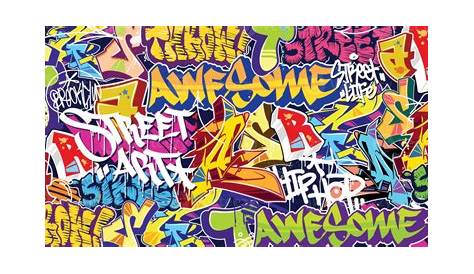
If you’re entering the world of graffiti, understanding the terminology and culture is crucial. This glossary will clarify key terms, explain common styles and techniques, and highlight the cultural significance of graffiti in urban environments. Key terms like 'tag', 'throw-up', and 'piece' form the foundation of your new artistic practice.
What are the most important graffiti terms?
A 'tag' is the simplest form of graffiti, representing your signature. It’s usually created quickly, capturing your name or alias in a stylized manner. A 'throw-up' builds on a tag, typically featuring bubble letters or simple shapes, and is executed quickly. It focuses more on getting your name out there than on artistry. A 'piece', short for masterpiece, is more elaborate, involving detailed designs and colors, often taking hours to complete. Additionally, terms like 'bombing' refer to covering large areas with tags or throw-ups, while 'burner' describes a particularly impressive piece that stands out. Familiarizing yourself with these terms will help you engage more deeply with graffiti culture and connect with fellow artists.
How do different graffiti styles compare?
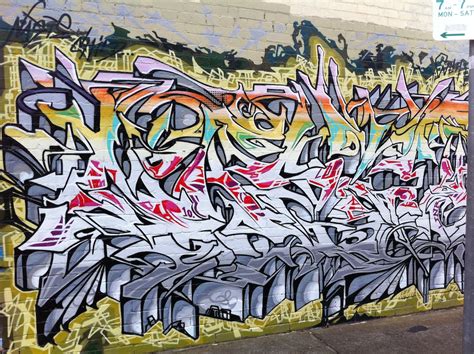
Graffiti styles are diverse, each with unique characteristics. 'Wildstyle' is intricate and often challenging to read, featuring interlocking letters, arrows, and embellishments. It's favored by experienced artists who enjoy the complexity of their designs. In contrast, 'block letters' are straightforward and easy to read, making them accessible for beginners. 'Stenciling' involves creating designs with cut-out templates, allowing for quick execution and detailed imagery, often used for political or social messages. Each style serves different purposes and conveys various emotions or ideas, so exploring them can enhance your artistic skills.
What is the history behind graffiti culture?
Graffiti has ancient roots, dating back to civilizations where individuals marked their territory or expressed political statements. Modern graffiti began in the late 1960s and early 1970s in urban areas, particularly in New York City. It evolved from simple tags to complex pieces influenced by hip-hop culture and social issues. As graffiti gained visibility, it transitioned from being viewed as vandalism to a recognized form of artistic expression. Today, many graffiti artists showcase their work in galleries and exhibitions, maintaining connections to street culture.
What should I know about graffiti techniques?
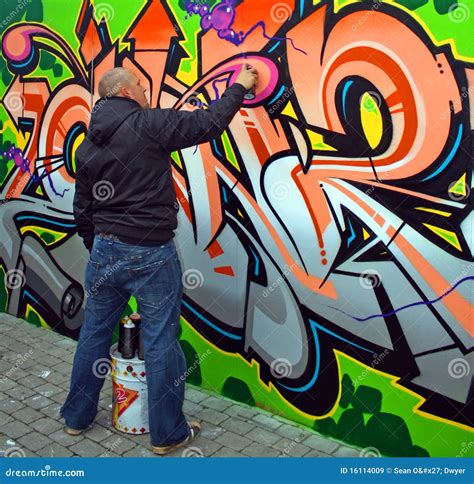
Graffiti techniques vary widely, but understanding a few basics can help you get started. Spray painting is the most common method, allowing for effects ranging from fine lines to broad strokes. If you want to try stenciling, create your design on sturdy material for quick application. Another popular technique is wheat pasting, where you glue paper prints to surfaces, making it great for displaying artwork that can incorporate photography or text. Each technique requires practice, so experiment with different methods to discover what resonates with you.
Where can I find graffiti inspiration and community?
Finding inspiration and community within graffiti can enhance your experience as an artist. Local graffiti festivals are excellent for meeting other artists and viewing a variety of styles and techniques. Online forums and social media can connect you with fellow enthusiasts, providing opportunities to share your work and receive feedback. Art collectives often host workshops and exhibitions, allowing you to learn from experienced artists and collaborate. Engaging with these communities can inspire your work and foster your growth as an artist.
Conclusion
Start by familiarizing yourself with key graffiti terms and styles. Focus on creating your own tags and throw-ups before moving on to more complex pieces. Explore different techniques, as experimentation is essential in finding your artistic voice. Seek out local events or online communities to connect with other artists who can offer support and inspiration. Ultimately, this journey will build your confidence to express yourself through art and expand your network of fellow graffiti enthusiasts.
Frequently Asked Questions
What does 'tag' mean in graffiti?
A 'tag' is a quick, stylized signature representing the graffiti artist, usually their name or alias, and is often the first step in a graffiti artist's journey.
What is the difference between a 'piece' and a 'throw-up'?
A 'piece' is a more elaborate and colorful work of art that requires time and skill to create, while a 'throw-up' is a simpler, faster design typically made with bubble letters.
How can I learn graffiti techniques?
You can learn graffiti techniques by practicing with spray paint, studying different styles, and experimenting with stencils or wheat pasting. Joining workshops or online communities can also provide valuable tips and guidance.
Is graffiti legal?
Graffiti legality varies by location. While some cities have designated areas for legal graffiti, unauthorized tagging or painting on private property is generally considered vandalism.
What are some popular graffiti styles?
Popular graffiti styles include wildstyle, block letters, and stencils, each with unique features that can convey different messages or artistic intentions.