Understanding Freedom of the Press in Pakistan
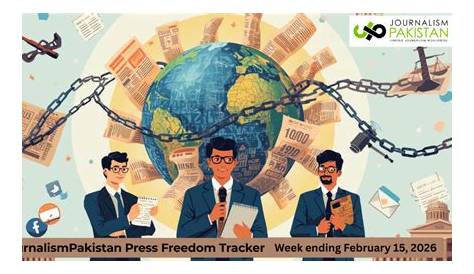
As a journalist in Pakistan, the question of how freely you can report the truth is crucial. Currently, press freedom in Pakistan is under significant threat, influenced by government regulations, societal pressures, and a troubling rise in censorship. While Pakistan has a rich history of journalism, the present situation shows that many journalists face serious obstacles in their quest for truth and transparency.
What is the current state of press freedom in Pakistan?
Press freedom in Pakistan is under considerable strain. The government has implemented various laws and regulations that restrict journalistic activities. For example, the Pakistan Electronic Media Regulatory Authority (PEMRA) can impose fines and suspend licenses for non-compliance with its directives. Recently, the government has intensified efforts to control narratives surrounding sensitive topics, especially those related to the military and judiciary. This has fostered an environment of self-censorship, where journalists often weigh the risks of reporting on contentious issues against potential repercussions.
How do laws affect journalists and media outlets?
Several laws govern media practices in Pakistan, significantly affecting journalists' ability to report freely. The Pakistan Penal Code includes sections that criminalize defamation and blasphemy, which can be misused to silence dissenting voices. The Anti-Terrorism Act poses additional risks, as it can be applied to journalists covering protests or political dissent. These laws create a climate of fear among journalists, who may avoid covering critical stories to evade legal repercussions. Although there are laws intended to protect journalists, such as the Protection of Journalists and Media Professionals Bill, enforcement is inconsistent, and many journalists continue to face harassment and intimidation.
What are the recent incidents of censorship?
Recent events underscore the severity of censorship in Pakistan. For example, prominent journalist and television host Hamid Mir faced threats and was ultimately forced to go into hiding after criticizing the military. Additionally, the government suspended the broadcasting license of a major news channel for airing content unfavorable to the state. Furthermore, social media platforms and websites have been blocked or restricted, particularly during political unrest or in the lead-up to significant events. These actions send a chilling message to journalists, further stifling free expression and critical reporting.
What challenges do journalists face in their work?
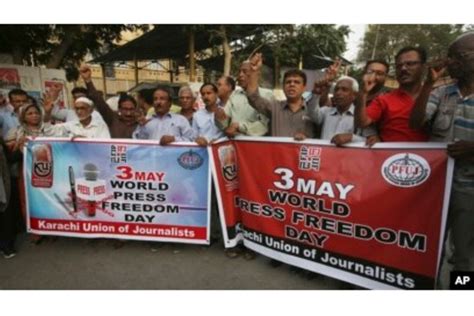
Journalists in Pakistan encounter numerous challenges that hinder their work. Threats of violence are common, especially for those reporting on sensitive issues like corruption or security. Many journalists have been attacked or even killed for their work, creating a culture of fear that complicates their reporting. Political pressure also poses a significant obstacle; journalists often face intimidation from both state and non-state actors, leading to self-censorship. Additionally, the financial instability of media outlets can result in layoffs or reduced investigative capabilities, leaving journalists with fewer resources to pursue in-depth stories.
What can be done to support press freedom in Pakistan?
Supporting press freedom in Pakistan necessitates concerted efforts from both individuals and organizations. You can advocate for stronger protections for journalists through awareness campaigns and lobbying for the enforcement of protective laws. Supporting independent media outlets, whether through subscriptions or donations, helps ensure diverse voices are heard. Engaging in training programs focused on journalistic ethics and safety empowers journalists to navigate the risks they face. Building networks among journalists can foster solidarity and support, making it easier to resist censorship and repression.
Conclusion
To foster a healthier environment for press freedom in Pakistan, it's essential to advocate for legal reforms that protect journalists. Supporting independent media and cultivating a sense of community among journalists are vital steps. The desired outcome is a reinvigorated press landscape where journalists can report without fear of persecution, contributing to a more informed and engaged society.
Frequently Asked Questions
Is press freedom guaranteed by the constitution in Pakistan?
Yes, the Constitution of Pakistan provides for freedom of speech and press under Article 19. However, this right is subject to reasonable restrictions, which the government can interpret broadly.
What are the consequences for journalists who face censorship?
Journalists facing censorship may experience various consequences, including legal action, threats, or even violence. Many may also lose their jobs or face harassment, making it difficult for them to continue their work.
Can international organizations help improve press freedom in Pakistan?
Yes, international organizations can play a crucial role by providing support, raising awareness, and applying pressure on the government to respect press freedoms. They can also offer resources and training to journalists.
How can journalists protect themselves from threats?
Journalists can take several precautions, such as using secure communication tools, being aware of their surroundings, and establishing safety protocols. Joining professional organizations can also provide valuable support.
What role does social media play in press freedom in Pakistan?
Social media can be a double-edged sword for press freedom in Pakistan. It allows journalists to reach wider audiences and share stories quickly but also exposes them to harassment and censorship from authorities.