Complete List of Foreign Ministers of the Dominican Republic
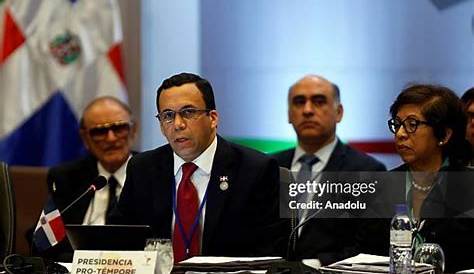
The Dominican Republic's foreign ministers have played a crucial role in shaping the country’s international relationships and policies. This article provides a chronological list of foreign ministers, detailing their terms in office and highlighting their key contributions and notable historical contexts. Understanding these leaders offers insights into the political history of the Dominican Republic.
Who were the foreign ministers of the Dominican Republic?
- Juan Isidro Jimenes Grullón (1906-1907)
- Felipe Alfau-Durán (1912-1913)
- Juan Bautista Vicini Burgos (1914-1916)
- Francisco J. Peynado (1924-1928)
- Ramón Emilio Jiménez (1930-1938)
- Joaquín Balaguer (1960)
- José Joaquín Puello (1961-1962)
- Manuel de Jesús Galván (1962-1963)
- Hugo Tolentino Dipp (1994-1996)
- Carlos Morales Troncoso (2000-2004)
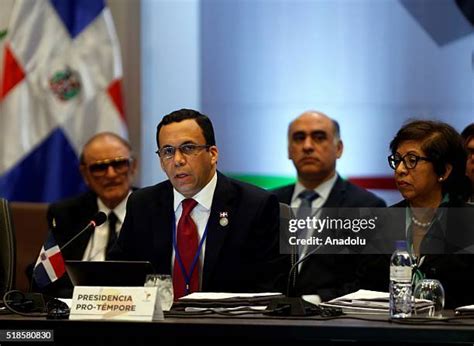
- Andrés Navarro (2014-2016)
- Miguel Vargas Maldonado (2016-2020)
What were their main contributions?
Foreign ministers have significantly influenced the Dominican Republic’s foreign relations. For instance, Ramón Emilio Jiménez worked to strengthen ties with neighboring countries during a time of regional instability. In contemporary times, Andrés Navarro addressed critical migration issues and improved relations with the United States and Haiti. Miguel Vargas Maldonado focused on trade agreements and economic diplomacy aimed at enhancing the Dominican economy in a globalized market. Each minister's contributions were shaped by the political and social climates they encountered.
How did historical events shape their roles?
The foreign ministers’ roles have closely mirrored significant historical events. For example, the 1916 U.S. occupation required a foreign minister adept at managing complex relations with the United States. In the post-World War II era, as the Dominican Republic sought to establish its identity, foreign ministers like Joaquín Balaguer had to navigate diplomatic ties during the Cold War, balancing influences from both the U.S. and communist countries. The political turmoil of the 1960s and 70s further influenced the foreign policy strategies of ministers during that period.
Are there any notable controversies?
The tenures of various foreign ministers have not been without controversy. Francisco J. Peynado faced criticism for his handling of diplomatic relations with the United States following the assassination of Rafael Trujillo. Similarly, Miguel Vargas Maldonado encountered scrutiny over his management of foreign investment and trade agreements, especially regarding their impact on local industries. These controversies often underscored the challenges of balancing national interests with international expectations.
What can we learn from their leadership?
The leadership styles of the Dominican Republic's foreign ministers offer valuable lessons in diplomacy. For example, Hugo Tolentino Dipp demonstrated the importance of adapting to changing political climates, particularly during the late 90s, when he emphasized regional cooperation. The necessity of effective communication and managing public perception stands out, especially in times of crisis, as seen in José Joaquín Puello’s efforts to maintain stability amid political unrest. Analyzing these dynamics provides insights into effective leadership in international relations.
Conclusion
To begin your research, focus on specific foreign ministers that interest you and explore their contributions during key historical moments. Consider the challenges they faced, as these will enhance your understanding of their impact. This approach will provide a nuanced view of how each minister influenced Dominican foreign policy and how historical contexts shaped their decisions.
Frequently Asked Questions
Who was the first foreign minister of the Dominican Republic?
The first foreign minister of the Dominican Republic was Juan Isidro Jimenes Grullón, who served from 1906 to 1907.
What are the main responsibilities of the foreign minister?
The foreign minister is responsible for managing the country's foreign relations, representing the nation in diplomatic matters, and overseeing embassies and consulates.
Have any foreign ministers served multiple terms?
Yes, some foreign ministers have served multiple terms, including Joaquín Balaguer, who had a significant role in shaping Dominican foreign policy.
What challenges do foreign ministers face?
Foreign ministers often face challenges such as political instability, economic pressures, and balancing relationships with powerful nations.
How do foreign ministers influence international relations?
Foreign ministers influence international relations by negotiating treaties, establishing trade agreements, and fostering diplomatic ties that promote national interests.