Understanding the Flag of Pakistan: Symbolism and History
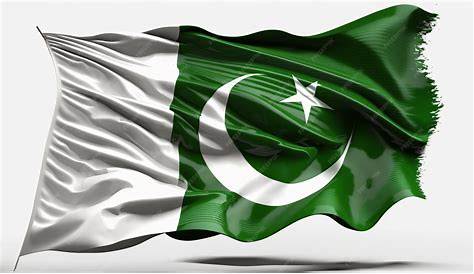
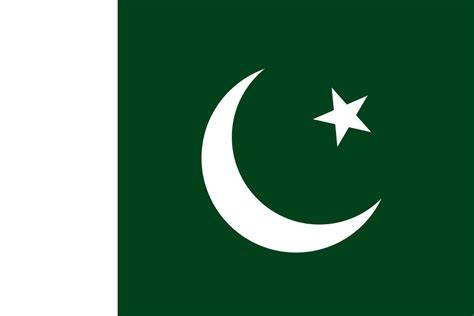
The flag of Pakistan is rich in symbolism and history. It features a deep green field with a white vertical stripe, a crescent moon, and a five-pointed star. These elements reflect the country’s cultural and religious identity and were officially adopted on August 11, 1947, just days before Pakistan gained independence from British rule.
What do the colors and symbols on the flag represent?
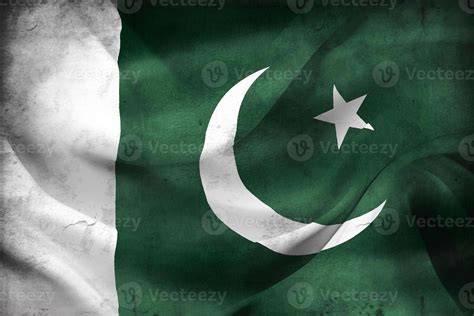
The flag of Pakistan consists of two main colors: green and white. The green represents the Muslim majority, symbolizing Islam and hope for prosperity. The white stripe signifies the rights of religious minorities, underscoring the commitment to equality among all citizens.
In addition to the colors, the flag features a crescent moon and a five-pointed star. The crescent symbolizes progress, while the star represents light and knowledge. Together, these symbols embody the nation’s aspirations toward growth and enlightenment. While some view the crescent and star as solely Islamic symbols, they also reflect Pakistan's broader commitment to development and education for all its people.
When was the flag of Pakistan adopted and why?
The flag of Pakistan was officially adopted on August 11, 1947, shortly before the country gained independence from British rule. Designed by Ameeruddin Kidwai, it aimed to symbolize the new nation and its core values. The adoption of the flag coincided with a pivotal moment in history, as Pakistan was established as a separate nation for Muslims in the Indian subcontinent after years of struggle for self-determination.
This timing was significant; it marked not just the birth of a nation but also a new identity for millions. Rather than being hastily designed, the flag resulted from careful consideration of the cultural and religious elements that would represent Pakistan’s ideals.
How does the flag of Pakistan relate to its national identity?
The flag of Pakistan is deeply connected to the national identity, reflecting the country's Islamic heritage and its diverse population. The green color represents the Muslim majority, while the white stripe emphasizes the importance of religious minorities as integral to the nation. This duality fosters unity among various communities within Pakistan.
Moreover, the crescent and star not only symbolize Islamic values but also aspire to a modern, progressive society. This reflects Pakistan's commitment to development and education, fostering an identity that honors its traditions while embracing progress. Some may overlook the flag's role in promoting national pride and cohesion, but it serves as a powerful emblem for all Pakistanis, regardless of their backgrounds.
What are some common misconceptions about the flag?
A common misconception about the flag of Pakistan is that the crescent and star symbolize only Islamic values. While they do have Islamic significance, they also embody broader ideals of progress and enlightenment applicable to all citizens. Another misconception is that the flag's design is simplistic or haphazard; in reality, it was thoughtfully created to encompass various aspects of the nation’s identity.
Additionally, some people believe that the green and white colors signify only religious affiliations. In truth, they also reflect the diversity of cultures and beliefs within Pakistan, promoting inclusivity. Recognizing these nuances clarifies the flag's true meaning and significance.
What are the proper guidelines for displaying the flag?
Displaying the flag of Pakistan comes with specific guidelines to show respect and honor. The flag should always be flown high and free, and it must never touch the ground. When displayed alongside other flags, the flag of Pakistan should be positioned on the right side and at the same height, signifying equality among nations.
Maintaining the flag's appearance is also essential; it should be clean and undamaged. If the flag becomes worn or torn, it should be disposed of properly, typically by burning, as a sign of respect. Following these guidelines ensures that the flag is treated with the dignity it deserves.
Conclusion
Understanding the meanings behind the colors and symbols of the flag is crucial for appreciating its significance. Avoid common misconceptions, particularly regarding its religious symbolism. A comprehensive explanation of how the flag reflects both the cultural identity of Pakistan and the values it aspires to uphold will provide a well-rounded perspective for your project.
Frequently Asked Questions
What do the colors of the Pakistan flag symbolize?
The green color represents the Muslim majority, symbolizing Islam and hope for prosperity, while the white stripe signifies religious minorities and their rights.
Who designed the flag of Pakistan?
The flag was designed by Ameeruddin Kidwai and adopted on August 11, 1947, just days before Pakistan gained independence.
Is the crescent and star exclusive to Islam in Pakistan's flag?
While the crescent and star have Islamic connotations, they also symbolize progress and enlightenment for all citizens of Pakistan.
How should the flag of Pakistan be displayed?
The flag should be flown high and free, never touching the ground, and displayed with care, ensuring it is clean and undamaged.
What should be done with a worn-out flag of Pakistan?
A worn-out flag should be disposed of properly, typically by burning, to show respect for its symbolism and importance.