Your Essential Guide to Exploring Lake Tahoe
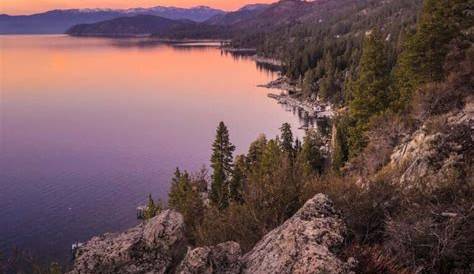
If you're planning your first trip to Lake Tahoe, you're in for a treat. This stunning destination offers a wide range of outdoor activities, from skiing and snowboarding in winter to hiking and boating in summer. To help you make the most of your visit, this guide provides essential information on when to visit for outdoor fun, must-see attractions, hidden gems, and tips for navigating the area while avoiding crowds.
What are the must-see spots in Lake Tahoe?
Lake Tahoe is home to many breathtaking locations. Emerald Bay State Park is perhaps the most iconic, offering stunning views of the bay and the famous Vikingsholm mansion. You can hike down to the shore or enjoy one of the viewpoints from above. Another gem is Sand Harbor, known for its crystal-clear waters and beautiful sandy beaches, perfect for swimming or picnicking. For a quieter experience, visit D.L. Bliss State Park, which features scenic hiking trails and tranquil beaches. The Tahoe Rim Trail also offers panoramic views of the lake and surrounding mountains. Each of these spots showcases the region's natural beauty, so plan to explore both popular and lesser-known areas for a well-rounded experience.
When is the best time to visit for outdoor fun?
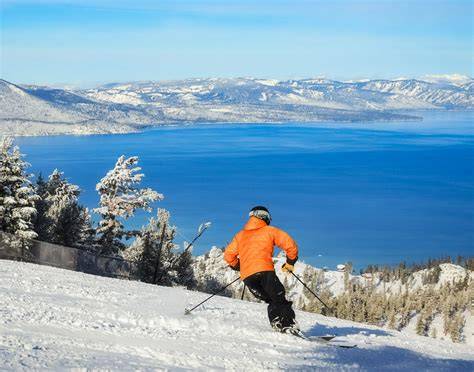
The best time to visit Lake Tahoe depends on your interests. Winter, from December to March, is prime for skiing and snowboarding at renowned resorts like Heavenly and Northstar. Snow conditions can vary, so check reports if you have specific activities in mind. As the snow melts, spring provides a quieter atmosphere with blooming wildflowers, making it ideal for hiking. Summer, from June to September, is perfect for hiking, biking, and water sports like kayaking and paddleboarding. The weather is generally warm, but be prepared for sudden changes. Fall, particularly October, dazzles with vibrant foliage and fewer tourists, making it ideal for a peaceful getaway. Each season has its own charm, so choose according to your preferences.
How do I get around Lake Tahoe?
Getting around Lake Tahoe is straightforward, with options to suit different preferences. If you're flying in, renting a car is often the most convenient way to explore at your own pace. Public transit options, such as the Tahoe Transportation District, operate buses around the lake and to key destinations. For a more active approach, consider biking; many trails and paths are accessible for cyclists, and bike rentals are widely available in summer. Be aware that parking can be limited at popular spots during peak times, especially on weekends, so plan accordingly. Understanding your transportation options will help you enjoy all that Lake Tahoe has to offer.
What should I pack for my Lake Tahoe trip?
Your packing list for Lake Tahoe should reflect the season and activities you plan to enjoy. In winter, pack warm layers, waterproof gear, and snow gear if you’ll be skiing or snowboarding. Essentials like gloves, hats, and sunscreen are also necessary, as the sun can be strong even in cold weather. For summer visits, bring lightweight clothing, swimwear, and hiking boots. A good daypack is helpful for carrying water, snacks, and other essentials while hiking. If you plan to spend time near the lake, pack a towel and a picnic blanket. In the shoulder seasons, layer clothing to adapt to fluctuating temperatures from day to night. Being prepared for the weather will enhance your experience and keep you comfortable.
Where can I find local dining and lodging options?
Lake Tahoe offers a variety of dining and lodging options that reflect its local culture. For dining, consider The Boathouse at Tahoe for a lakeside meal featuring fresh, seasonal ingredients. If you're looking for something casual, Macduff's Pub provides a laid-back atmosphere and hearty comfort food. For a unique experience, explore the food trucks scattered around the area, offering everything from tacos to gourmet burgers. When it comes to lodging, options range from luxury resorts to cozy cabins. The Ritz-Carlton presents a high-end experience, while the Tahoe City Inn offers a budget-friendly stay. Booking in advance is advisable to secure the best options, especially during peak seasons.
Conclusion
Plan your Lake Tahoe trip by choosing a season that aligns with your interests, whether it’s skiing in winter or hiking in summer. Prioritize must-see spots like Emerald Bay and include some hidden gems to enrich your visit. To avoid crowds, be strategic about your timing and transportation. With proper preparation and a spirit of adventure, you'll be set for an unforgettable experience in this beautiful destination.
Frequently Asked Questions
What activities can I do in Lake Tahoe?
You can enjoy a wide range of activities in Lake Tahoe, including skiing and snowboarding in winter, hiking and biking in summer, and swimming or kayaking in the lake during warmer months. Each season brings unique opportunities for outdoor fun.
Are there any family-friendly activities in Lake Tahoe?
Yes, Lake Tahoe has plenty of family-friendly activities. In winter, consider skiing lessons for kids or ice skating. In summer, beaches like Sand Harbor offer safe swimming areas and picnic spots, while hiking trails cater to all skill levels.
Is it safe to hike alone in Lake Tahoe?
Hiking alone in Lake Tahoe can be safe, especially on well-marked trails. However, inform someone of your plans, carry a map or GPS, and be aware of your surroundings. Always stick to established trails and be cautious of wildlife.
What is the closest major airport to Lake Tahoe?
The closest major airport to Lake Tahoe is Reno-Tahoe International Airport, located about 60 miles away. It offers various domestic flights and is the most common entry point for visitors.
Do I need a permit for hiking in Lake Tahoe?
Most hiking trails in Lake Tahoe do not require a permit, but some areas, especially in national forests or parks, may have specific regulations. Always check local guidelines before heading out.