Exploring INS Delhi: The Navy Destroyer Redefining Power
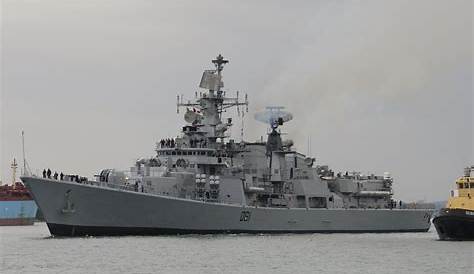
For naval enthusiasts, INS Delhi is a prominent guided-missile destroyer in the Indian Navy, showcasing impressive specifications and capabilities that reinforce its significance in maritime operations. Commissioned in 1997, it has seen substantial upgrades to improve its combat readiness and adaptability. With advanced technology and a versatile mission profile, INS Delhi plays a crucial role in regional security.
What makes INS Delhi a key player in the Indian Navy?
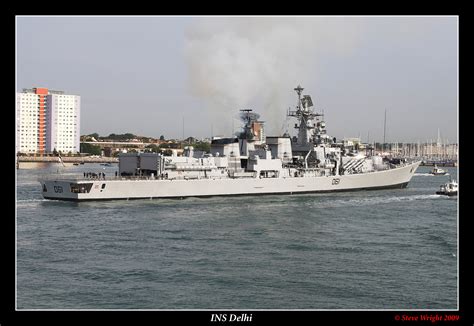
INS Delhi is a guided-missile destroyer and part of the Kolkata-class, primarily designed for anti-aircraft, anti-surface, and anti-submarine warfare. It has a displacement of approximately 8,000 tons and can reach speeds exceeding 30 knots, enabling swift deployment across vast oceanic expanses. The destroyer boasts an array of weaponry, including BrahMos cruise missiles, Barak-8 surface-to-air missiles, and various guns and torpedoes. Its advanced radar and sensor systems provide essential situational awareness for executing complex naval operations. This combination of speed, firepower, and technology allows INS Delhi to undertake diverse missions, from fleet defense to humanitarian assistance. The effectiveness of its capabilities, however, relies on the quality of training and integration with other naval forces, which can fluctuate based on operational demands.
How did INS Delhi evolve over the years?
INS Delhi was commissioned on 15 November 1997, marking a significant advancement in India's naval capabilities. Initially equipped with conventional systems, the destroyer has undergone multiple upgrades to enhance its combat readiness. The integration of the BrahMos missile system in the mid-2000s drastically improved its strike capabilities. Additionally, modern radar systems and electronic warfare suites have been added to bolster its defense against airborne threats. Each upgrade aims to address emerging challenges in the maritime domain, reflecting the Navy's commitment to maintaining a modern and capable fleet. However, the pace of upgrades sometimes lags behind advancements in global naval technology, which presents an ongoing challenge for the Indian Navy.
What missions has INS Delhi participated in recently?
INS Delhi has actively engaged in various missions, both nationally and internationally. Recently, it participated in the Malabar exercises, a trilateral naval exercise with the United States and Japan, focused on enhancing interoperability among the three navies. These exercises are vital for regional security and underscore India's commitment to a robust maritime presence. Beyond exercises, INS Delhi has also taken part in anti-piracy operations in the Gulf of Aden and provided humanitarian assistance in response to natural disasters. Its involvement in these operations highlights its strategic importance to India and regional stability. The scope of its missions can be influenced by geopolitical tensions, necessitating adaptive strategies and collaborative engagements.
How does INS Delhi compare to other destroyers worldwide?
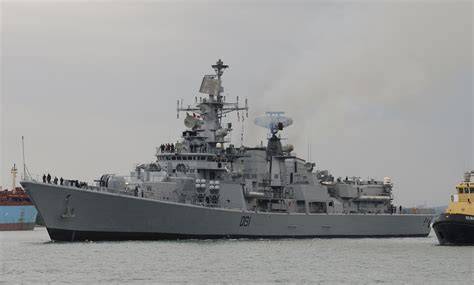
When comparing INS Delhi to other destroyers globally, such as the American Arleigh Burke-class or the Russian Udaloy-class, several differences arise. INS Delhi emphasizes multi-role capabilities, enabling it to engage in various types of warfare. While it may not match the size and advanced systems of some Western destroyers, it compensates with versatility and its operational focus in the Indian Ocean region, which is crucial for India's strategic interests. A notable strength of INS Delhi is its integration of indigenous technologies, reflecting India's emphasis on self-reliance in defense. However, it faces challenges, including limitations in certain onboard systems compared to more modern Western counterparts, which may impact its operational effectiveness in specific scenarios.
What are the future prospects for INS Delhi and the Indian Navy?
INS Delhi is anticipated to undergo further upgrades in the coming years, particularly with the integration of advanced weapon systems and enhanced communication technology. The Indian Navy aims to bolster its capabilities to address evolving threats, especially with increasing naval competition in the Indo-Pacific region. Future upgrades may also focus on improving its propulsion and stealth features, enhancing survivability in combat scenarios. As the geopolitical landscape shifts, INS Delhi will play a crucial role in India's maritime strategy, participating in joint exercises and missions that promote regional security. Maintaining and modernizing such assets is essential for India's ambitions to become a key player in global maritime affairs.
Conclusion
To better understand INS Delhi, explore its specifications and recent missions, focusing on how these elements contribute to India's naval strategy. While comparisons with other destroyers can be tempting, it's essential to recognize that INS Delhi's unique role is shaped by historical context and the specific needs of the Indian Navy. Understanding this destroyer's place in the broader picture of maritime security in the region is vital.
Frequently Asked Questions
What is the primary role of INS Delhi?
INS Delhi serves primarily as a guided-missile destroyer, equipped for anti-aircraft, anti-surface, and anti-submarine warfare. Its versatility allows it to engage in various missions, including fleet defense and humanitarian assistance.
When was INS Delhi commissioned?
INS Delhi was commissioned into the Indian Navy on 15 November 1997, marking a significant enhancement of India's naval capabilities at that time.
What upgrades has INS Delhi undergone?
Over the years, INS Delhi has received several upgrades, including the integration of the BrahMos missile system and modern radar and electronic warfare systems to enhance its combat effectiveness.
Has INS Delhi participated in international exercises?
Yes, INS Delhi has participated in several international exercises, including the Malabar exercises, which involve the navies of the United States, Japan, and India, aimed at improving interoperability and regional security.
What are the future plans for INS Delhi?
Future plans for INS Delhi include further upgrades to its weapon systems and technology, ensuring it remains a capable asset in the Indian Navy’s fleet as regional security dynamics evolve.