Understanding the Erfurt Latrine Disaster: What Happened
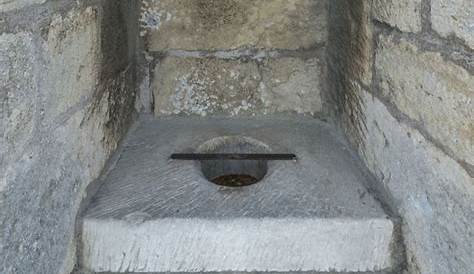
The Erfurt latrine disaster, which occurred on January 26, 1184, was a tragic event where a latrine at a school in Erfurt, Germany, collapsed during a gathering of students, resulting in significant loss of life and injuries. This disaster underscores the vulnerabilities in medieval construction practices and the critical need for effective engineering standards. Understanding the sequence of events leading to the collapse, the engineering flaws involved, and the community's response to the tragedy can provide valuable insights into both historical and modern engineering practices.
What exactly was the Erfurt latrine disaster?
The Erfurt latrine disaster unfolded on January 26, 1184, during a gathering of students at the school of St. Peter in Erfurt. As many as 60 students were using a latrine situated above a large pit. The structure failed under the weight of those present, causing the latrine to collapse and sending students tumbling into the pit below. The immediate aftermath was chaotic, with many students suffering severe injuries and around 20 fatalities reported. This tragic event serves as a stark reminder of the potential consequences of poor architectural design and the importance of safety in public buildings.
Why did the latrine collapse?
The collapse of the latrine can be attributed to several engineering flaws and structural inadequacies. The design of the latrine did not adequately account for the weight and number of users it had to support. The materials used in its construction, likely wood and basic stone, were insufficient to bear the load. Additionally, the pit beneath was not properly reinforced, contributing to structural instability. This disaster exemplifies how a lack of scientific understanding about weight distribution and materials in medieval buildings led to catastrophic failures.
What were the immediate consequences for the victims?
The immediate consequences of the Erfurt latrine disaster were devastating. Reports indicate that around 20 students died as a direct result of the collapse, while many others sustained a range of injuries, some severe. The emotional toll on the community was profound, as families mourned the loss of their children. This tragedy instilled fear and anxiety within the school and the broader community regarding the safety of public spaces. The incident served as a wake-up call about the importance of structural safety and oversight.
How did the disaster change building regulations?
In the aftermath of the Erfurt latrine disaster, there was a growing awareness of the need for improved building regulations in medieval architecture. Although specific regulations took time to develop, this event highlighted the necessity for better engineering practices and safety standards. Communities began to recognize that public structures required careful planning, robust materials, and adherence to safety guidelines. Over time, this led to more rigorous construction practices throughout Europe, ultimately shaping future public safety in building design.
What lessons can we learn from the Erfurt disaster today?
The lessons from the Erfurt latrine disaster remain relevant in today's engineering and construction practices. They emphasize the importance of safety assessments, the use of appropriate materials, and rigorous structural evaluations before a building is occupied. Modern engineers can draw parallels to the need for comprehensive planning and oversight in construction projects. By studying historical failures like the Erfurt disaster, we can better appreciate the evolution of engineering standards and the ongoing commitment to ensuring public safety.
Conclusion
Understanding the Erfurt latrine disaster requires acknowledging the engineering flaws that led to such a tragedy. Recognizing the importance of structural integrity in public buildings can inform modern practices. By prioritizing safety and learning from past mistakes, we can work toward preventing similar disasters in the future.
Frequently Asked Questions
What caused the Erfurt latrine disaster?
The Erfurt latrine disaster was caused by the collapse of a latrine at a school due to structural inadequacies and engineering flaws, primarily related to the weight it had to support and the materials used.
How many people died in the Erfurt latrine disaster?
Around 20 students are reported to have died as a result of the latrine's collapse, with many others sustaining injuries.
What impact did the disaster have on building regulations?
The disaster led to increased awareness and the eventual development of improved building regulations and safety standards in medieval construction practices.
What can modern engineers learn from the Erfurt disaster?
Modern engineers can learn the importance of structural integrity, the necessity for safety assessments, and the value of rigorous planning and oversight in construction projects.
When did the Erfurt latrine disaster occur?
The Erfurt latrine disaster occurred on January 26, 1184.