Understanding the Economy of Tonga: Key Insights for Travelers
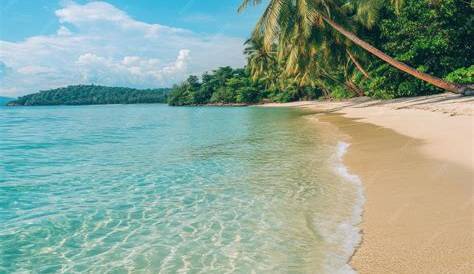
If you're planning a trip to Tonga, understanding its economy can enhance your experience and help you make informed choices. The economy of Tonga is primarily driven by agriculture, fishing, and tourism, which are essential to the local way of life. Each of these sectors not only supports the livelihoods of the Tongan people but also shapes the opportunities available on the islands.
What are the key industries in Tonga's economy?
Tonga's economy is largely based on agriculture, fisheries, and tourism. Agriculture significantly contributes to the GDP, with crops like taro, yams, and coconuts as mainstays. The fishing industry is crucial, providing food and exports, particularly in tuna and other seafood. Tourism has become increasingly important, attracting visitors to its stunning landscapes, rich culture, and warm hospitality. While these sectors are vital, they face challenges such as climate change affecting agriculture, overfishing impacting fish stocks, and the need for sustainable practices. Understanding these industries gives you insight into the daily lives of Tongans and their dependence on natural resources.
How does tourism influence Tonga's economy?
Tourism significantly impacts Tonga's economy by creating jobs and generating revenue. The islands draw visitors with their beautiful beaches, snorkeling spots, and cultural experiences. Activities such as whale watching, cultural performances, and eco-tours provide entertainment while supporting local businesses. For instance, staying at locally-owned accommodations or dining at community-run restaurants helps circulate money within the local economy. However, tourism can also strain resources and lead to environmental degradation if not managed sustainably. Balancing tourism growth with environmental protection is crucial for Tonga's future.
What economic challenges does Tonga currently face?
Tonga faces several economic challenges that threaten its growth and stability. Natural disasters, such as cyclones and rising sea levels, regularly disrupt agriculture and infrastructure. The economy's heavy reliance on imports makes it vulnerable to global price fluctuations. Limited infrastructure, including transport and communication systems, hampers trade and investment. These challenges create a complex environment where economic growth can be stunted and recovery from setbacks takes time. Recognizing these issues helps you understand the context of your travel and the importance of supporting resilience in local communities.
How does the government support economic growth in Tonga?
The Tongan government actively works to stimulate economic growth through various initiatives. Policies that promote sustainable development, such as investments in renewable energy and infrastructure improvements, are in place. The government encourages foreign investment, particularly in tourism and agriculture, to diversify the economy and reduce reliance on imports. These efforts reflect a commitment to improving the livelihoods of Tongans and ensuring a more stable economic future. As a traveler, you can support these initiatives by engaging in responsible tourism practices and choosing to spend your money in ways that benefit local communities.
What can travelers do to support Tonga's economy?
As a visitor to Tonga, there are several ways you can positively impact the local economy. First, consider staying in locally-owned accommodations and dining at restaurants that source ingredients from nearby farms. Participating in community-based tours or workshops helps spread your spending to local artisans and guides. Additionally, purchasing handmade crafts or souvenirs directly from local vendors supports their livelihoods. Engaging respectfully with the culture and environment enriches your experience while helping sustain the communities you visit.
Conclusion
To make the most of your trip to Tonga, choose local services and products to support the economy directly and connect more deeply with the culture. While enjoying your time, being mindful of your impact can lead to a more enriching experience for both you and the Tongan people. Look for opportunities to engage with local communities, and you'll find that your contributions can make a meaningful difference.
Frequently Asked Questions
What currency is used in Tonga?
The currency used in Tonga is the Tongan paʻanga (TOP). It's advisable to exchange some money before your trip or upon arrival to facilitate transactions.
Is it easy to find jobs in Tonga?
Finding a job in Tonga can be challenging for foreigners, as many positions are filled by locals. If you plan to work there, it's best to secure a job offer before your arrival.
What is the main source of income for families in Tonga?
Many families in Tonga rely on agriculture and fishing as their primary sources of income. Additionally, remittances from Tongans living abroad significantly contribute to household finances.
How does climate change affect Tonga's economy?
Climate change poses a significant threat to Tonga's economy, impacting agriculture through changing weather patterns and increasing the frequency of natural disasters. This situation can lead to food insecurity and higher costs for imports.
What types of tourism are popular in Tonga?
Popular types of tourism in Tonga include eco-tourism, cultural tourism, and adventure activities like snorkeling and whale watching. Visitors often seek experiences that connect them to the natural beauty and rich culture of the islands.