Understanding Dog-Leg Stairs for Small Homes
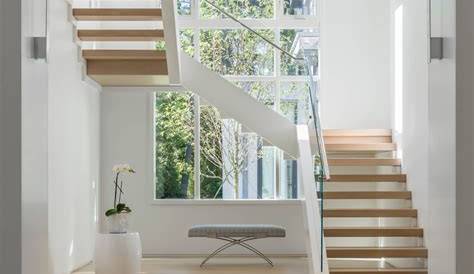
If you're renovating your home and considering a staircase design, dog-leg stairs might be a great option for your space. These stairs feature a landing that creates a turn, resembling a ‘dog leg’ shape, which allows for a more compact staircase compared to straight or spiral options. This design is particularly beneficial for homes with limited space, providing a comfortable ascent and descent without sacrificing style.
What are dog-leg stairs and how do they work?
Dog-leg stairs consist of two straight flights connected by a landing, creating a 90-degree turn. This structure differs from straight stairs, which run continuously from one level to another, and spiral stairs, which curve around a central pole. The landing in dog-leg stairs provides a resting area, making it easier to navigate between levels. This design not only saves space but also creates a more open feel in your home, as the turn provides a visual break compared to a straight flight. Picture a traditional staircase; the dog-leg version is a compact design that gives you the height you need without taking up excessive floor area.
Why choose dog-leg stairs for your home?
Choosing dog-leg stairs comes with several benefits, especially if space is a concern. They occupy less horizontal floor space compared to straight stairs, making them suitable for narrow hallways or small rooms. The landing enhances safety by providing a pause while ascending or descending, which is particularly helpful for children or older adults. The turn in the stairs allows for a more visually appealing design, enabling decorative elements like railings or art on the walls that can enhance your home's aesthetics. However, while dog-leg stairs save space, they might not be the best fit for homes with high ceilings where a straight staircase could work better.
What are the common pitfalls in dog-leg stair design?
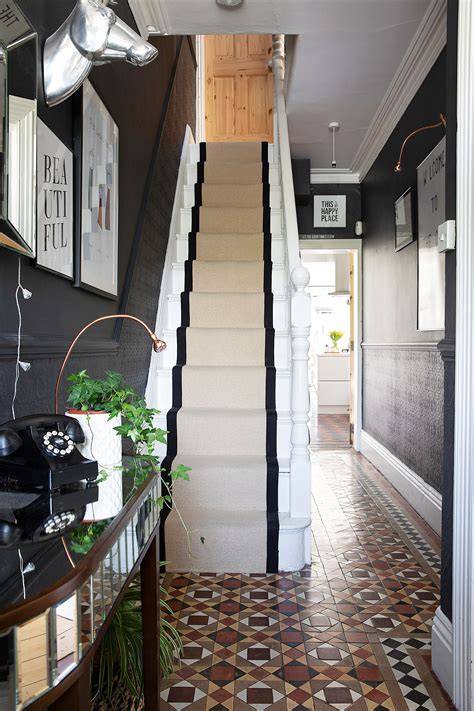
When designing and installing dog-leg stairs, homeowners often encounter several common pitfalls. One frequent mistake is incorrect measurements, which can lead to a staircase that feels cramped or is difficult to navigate. It’s crucial to account for the height and width of the stairs, as well as the space for the landing. Poor placement can also be problematic; if the stairs are too close to walls or doors, they can create awkward angles and safety hazards. Additionally, overlooking the type of railing or balustrade can impact both safety and aesthetics. Always consider how the stairs will flow with the rest of your home's design to avoid an out-of-place look.
How to choose the right materials for your dog-leg stairs?
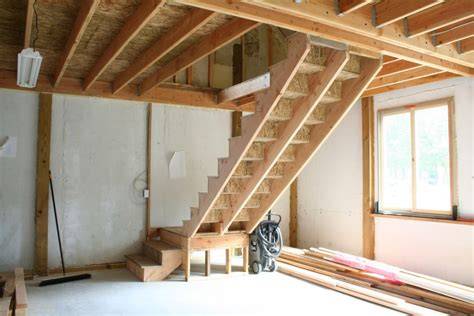
The materials you choose for your dog-leg stairs will significantly impact their durability and appearance. Wood is a popular choice for its warmth and classic look, but it requires regular maintenance. If you prefer something more modern, metal options like steel or aluminum can provide a sleek aesthetic and typically offer greater durability. Consider the finish as well; for example, a painted metal stair might fit well in a contemporary home, while stained wood can complement a traditional design. Also, think about the tread material, as this affects safety. Non-slip surfaces are essential, especially on the landing, to prevent accidents. Ultimately, the right material should align with your home's overall style while considering maintenance and safety.
What are the next steps for installing dog-leg stairs?
Once you've decided on dog-leg stairs, the next steps involve planning and execution. Start by creating a detailed design that includes dimensions and materials. Hiring a contractor who specializes in stair installations can ensure everything is up to code and safe. Check local building codes to see if you need permits for the installation; this can save you headaches later. After securing your design and contractor, establish a timeline for the renovation to keep the project organized and minimize disruption in your home. A well-planned installation leads to a successful outcome, so take your time during this phase.
Conclusion
If you determine that dog-leg stairs are the right choice for your home, begin by measuring your space carefully and sketching out a design. Focus on finding a reputable contractor with experience in stair installations. While aesthetics are important, prioritize safety and functionality in your design. A well-executed dog-leg staircase can enhance your home's value and usability, providing a beautiful transition between levels without sacrificing space.
Frequently Asked Questions
What is the difference between dog-leg stairs and L-shaped stairs?
Dog-leg stairs and L-shaped stairs are similar in design, featuring a landing and a turn. However, dog-leg stairs typically have a more pronounced landing that creates a distinct turn, while L-shaped stairs may have a gentler curve or a less defined landing.
Can dog-leg stairs fit in small spaces?
Yes, dog-leg stairs are particularly suited for small spaces due to their compact design. The turn in the stairs allows for more efficient use of vertical space, making them a popular choice for narrow hallways or areas with limited room.
Are dog-leg stairs safe for children and elderly individuals?
Dog-leg stairs can be safe for children and elderly individuals, especially with appropriate design elements. The landing provides a resting point, which can help reduce the risk of falls. Adding handrails and ensuring non-slip treads can further enhance safety.
What styles of dog-leg stairs are available?
Dog-leg stairs come in various styles that can match your home's decor, including traditional wooden designs, modern metal frameworks, or even glass elements. The style you choose should reflect your overall interior design while maintaining functionality.
How much do dog-leg stairs cost to install?
The cost of installing dog-leg stairs can vary widely depending on materials, design complexity, and labor costs. Generally, you can expect to spend anywhere from a few thousand to several thousand dollars. Getting multiple quotes from contractors will help you find a price that fits your budget.