Discovering Pippi Longstocking: A Fun Introduction
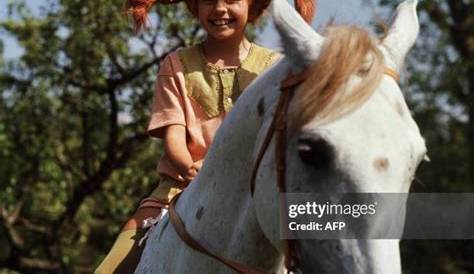
If you're looking for engaging children's literature to inspire your adventurous child, Pippi Longstocking is a fantastic choice. Created by Astrid Lindgren, Pippi is a spirited girl known for her wild red hair, mismatched stockings, and love for mischief. Her stories are filled with humor and imagination, making her a beloved character in children's literature for generations, while also addressing themes of independence and friendship that can lead to meaningful discussions with your child.
Who is Pippi Longstocking and why is she special?
Pippi Longstocking is a standout character not only for her quirky appearance but also for her free-spirited personality. Living in a small Swedish town with her horse and pet monkey, Pippi is the daughter of a sea captain, which adds to her adventurous backstory. Unlike traditional female characters, she embodies strength, independence, and a refusal to conform to societal expectations. Her name has become synonymous with fun, courage, and a touch of rebellion. Pippi's unconventional lifestyle encourages children to embrace their individuality and think creatively, offering a refreshing alternative to more conventional characters in children's literature.
What adventures does Pippi go on?
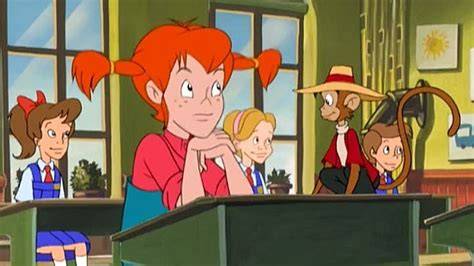
Pippi's adventures are as wild as her personality. In one story, she confronts a group of bullies at school, displaying her bravery and quick wit. In another, she embarks on a treasure hunt, using her imagination to create a world of adventure around her. Pippi also befriends Tommy and Annika, two neighborhood children who join her on various escapades, such as sailing on her father’s ship or exploring the woods. These adventures are not only entertaining but also highlight Pippi's resourcefulness and ability to turn ordinary situations into extraordinary ones. Each story captures the essence of childhood wonder and excitement, making them irresistible reads for young audiences.
How does Pippi challenge traditional gender roles?
Pippi Longstocking is a powerful character who challenges the traditional gender roles of her time. She is unapologetically strong, both physically and emotionally, often outsmarting the adults around her. Pippi doesn’t rely on anyone for help, which contrasts sharply with more passive female characters often found in literature. By engaging in activities typically reserved for boys, like climbing trees, fighting off bullies, and sailing, Pippi serves as a role model for independence and self-sufficiency. This portrayal encourages young readers, regardless of gender, to challenge societal norms and embrace their own strengths. While some may view her character as an exaggeration that might not resonate with every child, her core message of self-reliance remains impactful.
What themes can we discuss with kids after reading?
Pippi's stories are rich with themes that can lead to engaging discussions with children. One major theme is friendship; Pippi’s bond with Tommy and Annika showcases the importance of loyalty and support in relationships. Additionally, bravery is a recurring theme; Pippi faces challenges head-on, inspiring children to be courageous in their own lives. Imagination is another central theme, as Pippi often invents her own games and stories, encouraging kids to think creatively. After reading, you might ask your child what they think makes a good friend or how they would react in situations similar to Pippi's. These discussions can deepen the reading experience and help children connect the stories to their own lives.
How can I introduce Pippi to my child's reading routine?
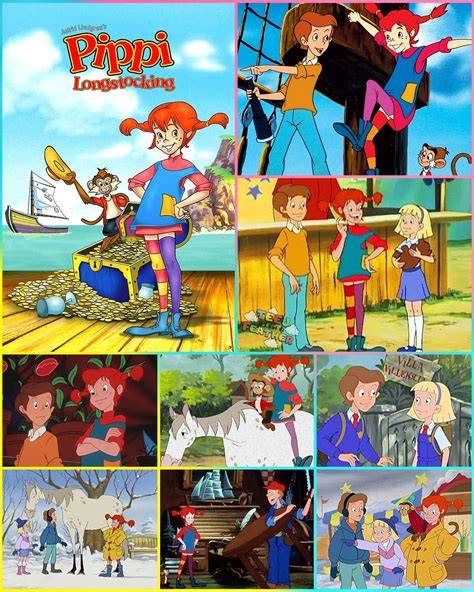
Integrating Pippi Longstocking into your child's reading routine can be enjoyable. Start by reading the books together, perhaps setting aside a special time each week for Pippi-themed reading. Encourage your child to draw their favorite scenes or write their own adventure stories inspired by Pippi. You might also consider watching the film adaptations that bring Pippi's world to life, providing a visual context for the stories. Discussing the themes after reading can further enrich their understanding and enjoyment. The goal is to make Pippi's adventures a part of your family's storytime, allowing your child to explore her world of imagination and independence.
Conclusion
To get started with Pippi Longstocking, grab a copy of her adventures and dedicate time each week for reading with your child. Focus on themes of friendship and bravery, and encourage discussions that relate Pippi's experiences to your child's life. There's no need to rush through every book; instead, let the stories unfold naturally. A thoughtful introduction to Pippi will spark your child's imagination and inspire them to embrace their own unique adventures.
Frequently Asked Questions
What age group is Pippi Longstocking suitable for?
Pippi Longstocking is generally suitable for children ages 6 to 12, but her stories can also be enjoyed by younger kids when read aloud by an adult. The humor and themes resonate with various age groups.
Are there any adaptations of Pippi Longstocking?
Yes, Pippi Longstocking has been adapted into several films, television series, and even stage productions. Notable adaptations include the 1969 Swedish film and the 1997 TV series, which capture the spirit of Pippi's adventures.
What lessons can children learn from Pippi?
Children can learn valuable lessons about independence, courage, and the importance of friendship. Pippi's character encourages kids to embrace their individuality and be true to themselves.
Is Pippi Longstocking part of a series?
Yes, Pippi Longstocking is the main character in a series of books written by Astrid Lindgren. The most famous titles include 'Pippi Longstocking,' 'Pippi Goes on Board,' and 'Pippi in the South Seas.'
Can Pippi Longstocking be used for educational purposes?
Absolutely! Pippi Longstocking's stories can spark discussions about gender roles, friendship, and creativity. They can also inspire writing and art projects, making them a great addition to educational settings.