A Review of Dinosaur Images for Educational Use
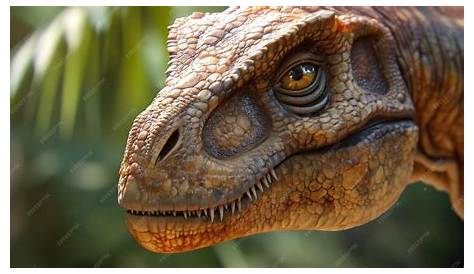
If you’re looking for reliable and engaging dinosaur images for your child's educational project, you're in the right place. Finding the right visuals can be challenging, but knowing what to look for makes it easier. A good dinosaur image should captivate your child's interest while providing educational value, ensuring the visuals are both appealing and accurate.
What should I look for in a good dinosaur image?
When evaluating dinosaur images, start with accuracy. Seek illustrations or photographs that depict dinosaurs according to current scientific understanding. Verify that the species is correctly identified and that the anatomical features are realistic based on paleontological research. Clarity is also key; the image should be sharp and well-lit. If it's too dark or pixelated, it won't serve its purpose well in a project. Age-appropriateness matters too; younger children might enjoy cartoonish representations, while older kids may benefit from more realistic depictions that can spark deeper discussions about dinosaurs. Consider the style of the image—some educational materials use images designed to be more engaging, while others prioritize scientific accuracy. Each choice shapes how your child interacts with the information presented, so think about what will resonate best with them.
Where can I find high-quality dinosaur images?
Several excellent sources offer high-quality dinosaur images, both free and paid. Websites like Pixabay and Unsplash provide free images that can be used without copyright concerns. These platforms often feature a variety of styles, from realistic photographs to whimsical illustrations. For specialized options, consider sites like Shutterstock or Adobe Stock, where you can purchase high-resolution images with clear licensing agreements. Museums and educational institutions often have resources available; for example, the American Museum of Natural History features an online collection that includes educational images. Always check the usage rights for any images you find, especially if the project will be publicly displayed. Children’s educational websites also curate images specifically tailored for learning.
How can I ensure the images I choose are accurate?
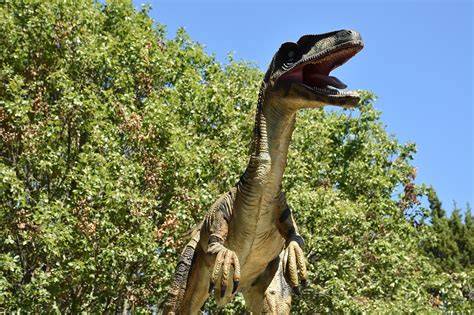
To verify the accuracy of dinosaur images, check the source first. Images from reputable educational sites, scientific journals, or well-known museums are generally more reliable. Look for images accompanied by descriptions or credits citing scientific studies or experts in paleontology. Cross-reference images with trusted dinosaur books or documentaries to see if they align with what is currently understood about that species. If you're uncertain, consider reaching out to educators or using online forums where experts can weigh in on the accuracy of specific images. Taking the time to ensure the images are visually appealing and scientifically accurate can significantly enhance your child's understanding of dinosaurs.
What are common mistakes when using dinosaur images?
A common mistake is overlooking copyright issues. While many images are available for free, not all can be used without permission. Always check the licensing information before including an image in your child's project. Misrepresenting species is another pitfall; using an image of a dinosaur but labeling it incorrectly can confuse your child about what they are learning. Additionally, avoid overly complex or stylized images that detract from educational value. For example, a cartoon depiction might be fun but could mislead older children about the actual appearance or behavior of dinosaurs. These missteps can hinder the educational experience, so being mindful of the images you choose is essential.
How can I incorporate dinosaur images into my project effectively?
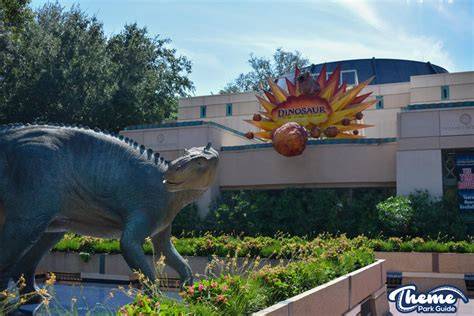
When using dinosaur images, think about how they can complement the text or information in your child's project. Instead of merely placing images next to text, consider creating a narrative around them. For instance, if your child is working on a report about the T. rex, use an image of the T. rex in action alongside descriptions of its hunting techniques. This connection helps make the visuals more engaging. Encourage your child to create a scrapbook or a digital slideshow where images illustrate different types of dinosaurs, their habitats, and their diets. Using captions or fun facts next to images can enhance understanding and retention of the material. Encourage your child to think creatively about presenting their findings using these images, as this will make the project more memorable.
Conclusion
Start by gathering a selection of images from reputable sources, ensuring they meet the criteria for accuracy and clarity. Focus on using images that enhance your child's understanding rather than just filling space. A successful project will balance beautiful visuals with informative content, allowing your child to explore the fascinating world of dinosaurs while expressing their creativity. Together, you can create a project that is both educational and visually appealing.
Frequently Asked Questions
What are the best websites for dinosaur images?
Some of the best websites for finding dinosaur images include Pixabay and Unsplash for free images, and Shutterstock or Adobe Stock for paid options. Educational websites like those of museums also provide high-quality images.
How can I tell if a dinosaur image is scientifically accurate?
To check if a dinosaur image is scientifically accurate, look for images from reputable sources like museums or educational institutions. Cross-reference the image with credible books or documentaries on dinosaurs.
Can I use any dinosaur image I find online for my child's project?
No, not all dinosaur images found online can be used freely. Always check the copyright and licensing information to ensure you have the right to use the image in your child's project.
What are some creative ways to use dinosaur images in projects?
You can incorporate dinosaur images by creating a narrative around them, using them in scrapbooks or digital slideshows, or adding captions and fun facts to enhance learning.
How can I avoid common mistakes when using dinosaur images?
To avoid common mistakes, always check copyright information, ensure species are labeled correctly, and choose images that add educational value rather than just visual appeal.