Understanding Developmental Pluripotency Associated 2
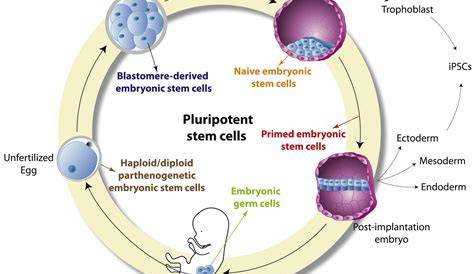
Developmental pluripotency associated 2 (DPPA2) is a crucial protein in stem cell research, particularly in maintaining the pluripotent state of embryonic stem cells. By helping these cells retain their ability to differentiate into any cell type, DPPA2 plays a significant role in the field of regenerative medicine. Understanding its functions and implications is essential for advancing stem cell biology and developing therapeutic applications.
What is developmental pluripotency associated 2?
DPPA2 is a protein primarily expressed in embryonic stem cells and germ cells. It belongs to a family of factors involved in maintaining pluripotency, which allows a cell to differentiate into multiple cell types. DPPA2 serves as a marker for pluripotent stem cells, distinguishing them from differentiated cells that cannot give rise to all cell types. Understanding DPPA2 helps researchers identify and study these stem cells more effectively, which is fundamental for exploring developmental biology and regenerative medicine.
How does DPPA2 contribute to stem cell maintenance?
DPPA2 contributes to the maintenance of embryonic stem cells by influencing various cellular pathways that uphold their pluripotent state. It primarily regulates gene expression, interacting with transcription factors crucial for keeping pluripotency-related genes active while suppressing those that lead to differentiation. This balance is vital for ensuring that stem cells remain undifferentiated. Additionally, DPPA2 is involved in the epigenetic regulation of these stem cells, affecting DNA packaging and gene accessibility. Research indicates that a decrease in DPPA2 levels can lead to premature differentiation of stem cells, underscoring its importance in maintaining pluripotency.
What are the latest research breakthroughs involving DPPA2?
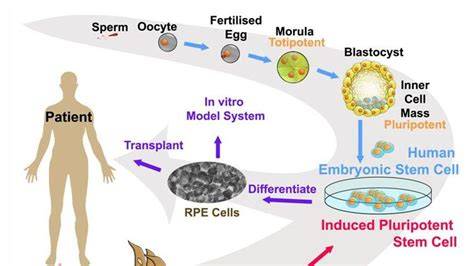
Recent studies have focused on elucidating the specific pathways and interactions of DPPA2 in stem cell biology. Researchers have found that DPPA2 not only stabilizes pluripotency factors but also interacts with critical signaling pathways, such as Wnt and TGF-beta, which influence cell fate decisions. Additionally, manipulating DPPA2 expression has been shown to enhance the efficiency of induced pluripotent stem cell (iPSC) generation, facilitating the reprogramming of differentiated cells into stem cells. These breakthroughs are advancing methods in stem cell therapy and providing a deeper understanding of developmental processes.
Are there any therapeutic applications of targeting DPPA2?
Targeting DPPA2 holds significant therapeutic potential, particularly in regenerative medicine. By manipulating DPPA2 levels, researchers may improve the reprogramming of somatic cells into iPSCs, which can then differentiate into specific cell types needed for treatment. Moreover, as DPPA2 is implicated in maintaining pluripotency, it could be a target for enhancing the survival and functionality of stem cells in transplantation therapies. While the potential is considerable, the exact therapeutic implications are still under investigation, necessitating further research to translate these findings into clinical applications.
What are the future directions for research on DPPA2?
Future research on DPPA2 is likely to explore several avenues. One focus could be on its role within the broader context of stem cell regulation and differentiation pathways. Investigating how DPPA2 interacts with other pluripotency factors may yield new insights into maintaining stem cell states. Another direction could involve studying the effects of DPPA2 manipulation in various types of stem cells, including both embryonic and adult stem cells. Additionally, researchers may develop small molecules or genetic tools to modulate DPPA2 activity for therapeutic purposes, potentially leading to advancements in treating degenerative diseases.
Conclusion
To explore DPPA2 effectively, concentrate on its regulatory functions in embryonic stem cells and keep abreast of recent research findings. Focus on understanding how DPPA2 maintains pluripotency and its implications for regenerative medicine. This approach will provide you with a solid grasp of DPPA2's role and enable you to discuss its potential applications in research and therapy confidently.
Frequently Asked Questions
What is the function of DPPA2 in stem cells?
DPPA2 functions primarily to maintain the pluripotent state of embryonic stem cells by regulating gene expression and interacting with key transcription factors.
How is DPPA2 involved in regenerative medicine?
DPPA2 is involved in regenerative medicine as it can be targeted to enhance stem cell reprogramming and improve the survival and functionality of stem cells used in therapies.
What are the implications of manipulating DPPA2 levels?
Manipulating DPPA2 levels may improve the efficiency of generating induced pluripotent stem cells and help maintain the pluripotency of stem cells, which is crucial for their therapeutic use.
Are there any known diseases related to DPPA2 dysfunction?
While specific diseases directly linked to DPPA2 dysfunction are still being researched, disruptions in pluripotency factors like DPPA2 can potentially lead to issues in development and regeneration.
What research is currently being done on DPPA2?
Current research on DPPA2 is focusing on its interactions with signaling pathways and other pluripotency factors, as well as its potential applications in improving stem cell therapies.