How to Properly Conserve and Restore Ivory Objects
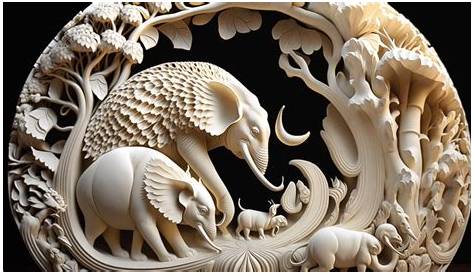
As a museum conservator, it is essential to understand how to effectively care for ivory artifacts to preserve their integrity and aesthetic appeal. Proper cleaning techniques, repair methods, and ethical considerations are vital to this process. By using gentle cleaning methods and recognizing common types of damage, you can significantly enhance your conservation efforts.
What are the best methods for cleaning ivory?
Cleaning ivory requires a delicate touch and the right materials to prevent damage. Use a soft, lint-free cloth to gently remove dust and dirt. For deeper cleaning, mix distilled water with a few drops of mild liquid soap, applying it sparingly with a soft cloth. Avoid harsh chemicals, abrasives, or excessive moisture, as these can lead to discoloration or surface damage. Always test any cleaning solution on an inconspicuous area first, and remember that less is often more when cleaning ivory.
How do I identify damage on ivory objects?
Identifying damage on ivory requires careful observation. Common signs include cracks, which can vary from hairline fractures to larger splits, and discoloration that may result from sunlight exposure or pollutants. Surface loss can appear as rough patches or dull areas. For example, poorly stored pieces might show yellowing or dark spots. Conduct regular inspections to catch these issues early, allowing for timely intervention before damage worsens.
What are the ethical implications of restoring ivory?
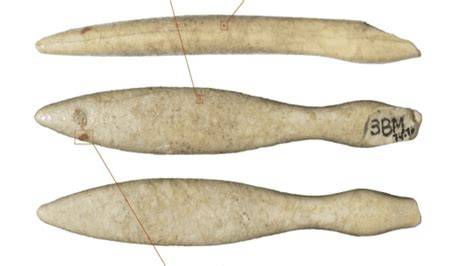
Restoring ivory involves significant ethical considerations. The ivory trade has serious environmental and social consequences, so it is crucial to be aware of the provenance of the ivory objects you handle. Understanding each piece's history can help you make informed decisions about restoration. Promoting transparency about the source of the ivory and ensuring that your conservation practices do not unintentionally support illegal trade are essential steps.
How can I repair minor damages to ivory?
For small chips and cracks in ivory, consider using a two-part epoxy adhesive or specialized fillers designed for ivory restoration. Start by cleaning the damaged area thoroughly and allowing it to dry. Carefully apply the epoxy to the chip or crack, ensuring a smooth finish. If coloring is necessary, use a pigment that matches the original ivory. Avoid overfilling or applying excessive pressure during the repair, as this can cause further damage.
What are the best practices for long-term storage of ivory?
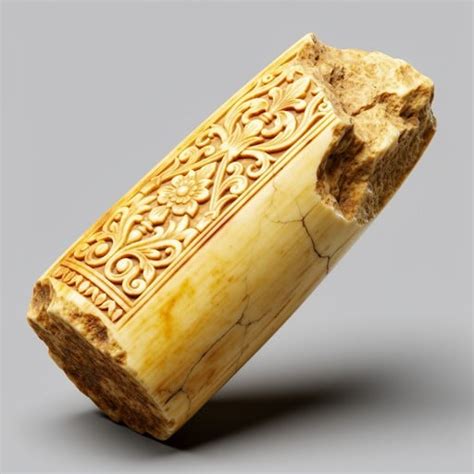
For long-term storage of ivory objects, focus on maintaining stable environmental conditions. Store ivory in a cool, dry place with controlled temperature and humidity, ideally between 65-70°F and 40-50% humidity. Keep items out of direct sunlight to prevent fading and discoloration. Use acid-free materials for wrapping and storage, and consider display cases that allow airflow while protecting against dust and pests. Regularly check the condition of stored pieces to address any emerging issues promptly.
Conclusion
Begin by assessing the current condition of your ivory objects and identifying any immediate cleaning or repair needs. Focus on gentle cleaning techniques and remain mindful of the ethical implications of your work. Your conservation efforts can result in well-preserved ivory artifacts that retain their historical and aesthetic value for future generations.
Frequently Asked Questions
What should I avoid when cleaning ivory?
Avoid harsh chemicals, abrasives, or excessive moisture as these can cause irreversible damage, such as discoloration or surface loss.
How can I tell if my ivory is genuine?
Genuine ivory typically has a unique grain pattern and may exhibit a warm, yellowish tint. You can also look for age-related features like cracks or a natural patina.
Is it legal to own ivory objects?
The legality of owning ivory varies by country or region. Some areas enforce strict regulations or bans on ivory trade, so it's essential to verify the local laws.
What are the signs that ivory needs immediate attention?
Look for cracks, significant discoloration, or indications of pest damage. If you notice these issues, it's important to address them quickly to prevent further deterioration.
Can I use furniture polish on ivory?
No, furniture polish often contains solvents and chemicals that may damage ivory. Stick to gentle cleaning methods using mild soap and water.