A Clear Chronological Summary for Your History Project
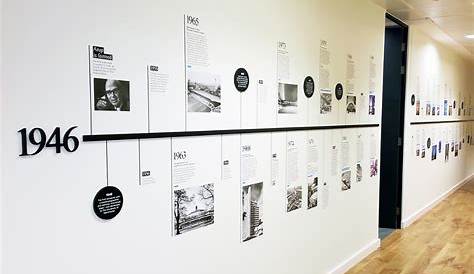
A chronological summary organizes historical events in the order they occurred, making it easier for students to understand relationships and cause-and-effect dynamics between these events. This method not only helps you structure your information but also creates a narrative that connects each event meaningfully. By providing a clear pathway through complex information, a chronological summary enhances your history project and aids in effectively communicating your findings.
What exactly is a chronological summary?
A chronological summary is a timeline that arranges events according to their occurrence. This method is essential for history projects as it provides a structured presentation of information, enabling both you and your audience to follow along easily. For instance, when summarizing the American Civil War, you would list events such as the election of Abraham Lincoln in 1860, the attack on Fort Sumter in 1861, and the surrender at Appomattox in 1865 in sequential order. This approach allows you to see how events are interconnected and how one event often leads to another, deepening your understanding and analysis of the historical period you are studying.
How do I start creating my chronological summary?
To create an effective chronological summary, begin by gathering all your research materials, including textbooks, articles, and online resources. Identify the key events relevant to your topic and start a timeline by jotting down these events in rough chronological order. For example, in summarizing World War II, you might start with Germany's invasion of Poland in 1939, followed by key battles and political decisions. Once you have outlined the main events, refine your list by adding specific dates, brief descriptions, and relevant context to help visualize the timeline and ensure it flows logically. Review your summary to confirm it accurately captures the essence of the events and their significance.
What common pitfalls should I avoid?
When writing a chronological summary, a common mistake is mixing up timelines, which can confuse readers and obscure the clarity of your narrative. For example, mentioning the signing of a treaty before discussing the war that led to it can mislead your audience about the sequence of events. Another pitfall is omitting key events that may create gaps in your summary and lead to misunderstandings. Always consider whether the events included provide a comprehensive view of the topic. Additionally, avoid overly complex language or excessive detail that can distract the reader. Keeping your writing simple and direct will help maintain engagement.
How can I make my summary more engaging?
To enhance your chronological summary, add context to the events with interesting facts, anecdotes, or significant quotes related to each one. For example, when discussing the signing of the Declaration of Independence, you might share details about the debates leading up to it or its impact on other nations. Incorporating visuals like timelines or infographics can also boost engagement, as they allow readers to visualize the progression of events. Highlighting lesser-known events that had significant impacts can spark curiosity and further interest in your topic.
What tools can help me with my chronological summary?
Several tools can assist you in creating your chronological summary. Timeline software like Tiki-Toki or Preceden allows you to create interactive timelines that can include images and links. Word processing tools such as Google Docs or Microsoft Word offer customizable templates for timelines. Additionally, online resources like Canva provide visually appealing timeline templates. Utilizing these tools can streamline the process and enhance the presentation of your summary.
Conclusion
Start by gathering key events and organizing them chronologically to form the basis of your summary. Focus on clarity and coherence, avoiding common mistakes like mixing timelines or omitting important details. A well-structured summary not only helps you better understand history but also makes your project more engaging for your audience. Aim for a summary that tells a cohesive story, connecting events in a way that highlights their significance and impact.
Frequently Asked Questions
What is the purpose of a chronological summary?
The purpose of a chronological summary is to organize historical events in the order they occurred, making it easier to understand relationships and impacts between those events. This structured method clarifies the sequence of events for both the writer and the audience.
How detailed should a chronological summary be?
A chronological summary should balance comprehensiveness and conciseness. Include key events and relevant context while avoiding excessive detail that could overwhelm or distract the reader from the main timeline.
Can I use a chronological summary for non-history projects?
Yes! While chronological summaries are common in history, they can also be effective for any project involving a sequence of events, such as literature analysis, project management, or personal milestones.
What is the best way to present a chronological summary?
The best way to present a chronological summary depends on your audience and purpose. Visuals like timelines or infographics can enhance engagement, while written summaries should be clear and logically structured with event descriptions that provide context.
Is it necessary to include dates in a chronological summary?
Including dates in a chronological summary is highly recommended as they help establish a clear timeline of events. Dates provide essential context for when events occurred, which is crucial for understanding their significance and relationships.