Understanding the Chinatown East and West Gates
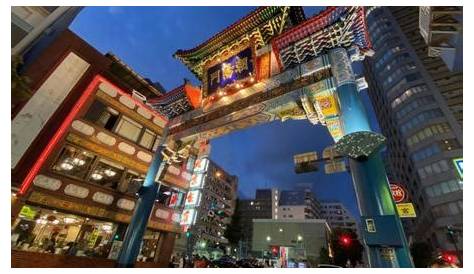
The Chinatown East and West Gates are significant entrances to Chinatown, inviting visitors to explore the rich culture and heritage of the Chinese community. These gates are not merely architectural features; they symbolize the history, traditions, and vibrant community of the area.
What are the Chinatown East and West Gates?
The Chinatown East and West Gates are grand structures marking the entrances to Chinatown. The East Gate is located at the intersection of East Broadway and Canal Street, while the West Gate is found at the intersection of West 8th Street and Broadway. These gates symbolize thresholds that invite visitors to immerse themselves in the culture, cuisine, and community of Chinatown.
What is the history behind the gates?
The East and West Gates have deep historical roots, reflecting the waves of Chinese immigration to the United States. The East Gate was constructed in 1975 as part of an initiative to revitalize and celebrate the neighborhood's heritage. The West Gate, completed in 2002, was established to further enhance the cultural identity of the area. Each gate commemorates the contributions of Chinese Americans to the city, particularly during periods of struggle and resilience. Together, they represent the ongoing legacy of the Chinese community within the broader narrative of New York City.
What are the architectural features of each gate?
The architectural design of the East Gate features traditional Chinese elements, including a vibrant red color and intricate carvings of dragons and phoenixes, which symbolize strength and prosperity. In contrast, the West Gate incorporates a more modern interpretation, utilizing contemporary materials like steel while respecting traditional motifs. Both gates are adorned with ornamental rooflines and decorative lanterns that enhance their visual appeal.
Why are the gates culturally significant?
The gates are central to various cultural events, especially during the Lunar New Year celebrations, where they serve as gathering points for parades and festivities. They symbolize unity and pride within the Chinese community. For instance, the East Gate often hosts lion dances and cultural performances that engage both locals and tourists, fostering a sense of connection and celebration. Their presence reinforces the importance of cultural heritage in the community.
How can visitors best experience the gates?
To fully appreciate the gates, plan your visit during the Lunar New Year for the most vibrant celebrations. Both gates are easily accessible by public transport, so consider using the subway to avoid parking hassles. Nearby attractions include local markets, restaurants, and museums that further showcase Chinatown's rich heritage. Visiting early in the morning or later in the evening can provide a quieter experience, allowing you to enjoy the gates without large crowds.
Conclusion
Be sure to include a stop at the East and West Gates during your visit to Chinatown. Their historical and cultural significance enriches the experience of exploring this unique neighborhood.
Frequently Asked Questions
What are the best times to visit the Chinatown East and West Gates?
The best times to visit are during cultural events, particularly the Lunar New Year. Early mornings or evenings on regular days also offer a quieter experience.
Are there any guided tours available that include the gates?
Yes, several local tour companies offer guided walking tours that include the East and West Gates along with other cultural sites in Chinatown.
Can I take photos at the gates?
Absolutely! The gates are popular spots for photos, especially during festivals. Just be mindful of other visitors.
Is there any entry fee to visit the gates?
No, visiting the East and West Gates is free of charge.