Understanding the Changes at Oak Street
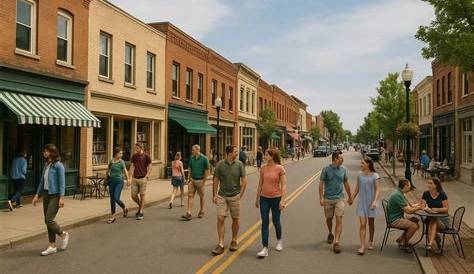
Recent developments on Oak Street have raised concerns among local residents about the future of our neighborhood. With new commercial buildings under construction and long-standing businesses closing, many are worried about the implications for our community. This article will clarify the changes occurring on Oak Street, their significance, and ways for residents to express their opinions and support.
What’s happening on Oak Street right now?
Currently, Oak Street is experiencing significant changes, including the construction of new commercial buildings and the closure or relocation of some long-standing businesses. This transformation reflects broader trends in urban development and gentrification, prompting worries that the neighborhood's character could be altered. Many residents fear that these changes will push out small businesses that have served the community for years, making way for larger, chain stores that may not meet local needs. Additionally, increased traffic and parking issues are anticipated as more visitors come to the area, straining local resources. These developments are part of a city-wide initiative aimed at revitalizing certain areas, but their immediate impacts are already being felt by those of us who call Oak Street home.
Why do these changes matter to me?
The changes on Oak Street matter for several reasons. They can influence property values; while new businesses might boost property values, they can also lead to higher rents, displacing residents who cannot afford the increased costs. The decline of local businesses threatens the unique character and charm of Oak Street, as familiar shops and services may be replaced by impersonal chains. Additionally, alterations in traffic patterns and the overall atmosphere of the street could disrupt daily life. Staying informed and engaged is essential, as these developments will shape our neighborhood's future.
What are the community's responses to these changes?
Community responses to the developments on Oak Street have been varied, generally marked by concern and activism. Residents have organized protests to express their dissatisfaction with the loss of local businesses and the rapid pace of change. Town hall meetings have been convened to allow residents to share their views and discuss potential actions. Advocacy groups have emerged, focusing on preserving the neighborhood's character and ensuring the voices of long-time residents are heard. While some residents welcome new developments for their promise of economic growth and improved infrastructure, many others feel these changes threaten the community's identity. This division highlights the complexity of urban development and the crucial need for dialogue among community members.
How can I get involved in the conversation?
Getting involved in the conversation about Oak Street is vital if you want your voice to be heard. Start by attending local town hall meetings or community forums, where you can connect with others who share your concerns and learn more about the developments. Reach out to local advocacy groups focused on community preservation; they often have resources and action plans. Engaging with social media platforms dedicated to neighborhood issues can keep you informed and provide a space to express your views. Additionally, consider writing to local government representatives to share your opinions or participate in surveys gauging community sentiment about the changes. Every voice matters in shaping the future of Oak Street.
What’s the long-term outlook for Oak Street?
The long-term outlook for Oak Street largely depends on how residents, local businesses, and city planners navigate the current changes. Strong community advocacy could lead to a more balanced development approach that prioritizes local needs alongside economic growth. Conversely, if current trends continue unchecked, the area may become more commercialized, alienating long-time residents and small business owners. Potential scenarios include a revitalization that enhances the community while retaining its character or a gentrification process that leads to displacement and loss of local identity. Staying engaged with ongoing developments will be key to influencing the future direction of Oak Street.
Conclusion
If you're concerned about the future of Oak Street, your first step is to get informed and involved. Attend community meetings, engage with local advocacy groups, and express your views to local officials. Ignoring these developments could mean missing the chance to shape what happens next. A positive outcome would be a balanced approach that supports local businesses while accommodating necessary growth, ensuring that Oak Street remains a vibrant and welcoming place for all residents.
Frequently Asked Questions
What types of businesses are being replaced on Oak Street?
Many long-standing local businesses are being replaced by larger chain stores, raising concerns about losing the unique character that these local businesses bring to the neighborhood.
How can I voice my opinion about the changes on Oak Street?
You can voice your opinion by attending town hall meetings, writing to local representatives, or joining community advocacy groups focused on preserving the neighborhood's character.
What impact do these developments have on property values?
Developments can affect property values in different ways. While new businesses might increase property values, they can also lead to higher rents, which may displace current residents.
Are there any protests or community events happening regarding Oak Street?
Yes, there have been protests and community meetings organized by residents concerned about the changes. These events are excellent opportunities to learn more and express your views.
What is the future vision for Oak Street according to the city planners?
City planners envision a revitalized Oak Street with improved infrastructure and more commercial opportunities, but community input will be crucial in shaping that vision.