How to Care for Hosta Plantaginea: A Simple Guide
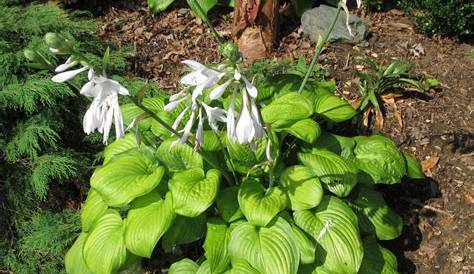
If you're eager to add Hosta plantaginea to your garden, you're making a great choice. This stunning perennial is known for its beautiful foliage and fragrant flowers. To ensure you care for it properly, it's essential to understand its optimal growing conditions, common pests and diseases, and how to propagate it successfully.
What are the ideal growing conditions for Hosta plantaginea?
Hosta plantaginea thrives in partial to full shade. While it can tolerate some sunlight, excessive direct sun can scorch its leaves. Ideally, plant it in a spot that receives dappled sunlight, particularly in the afternoon. The soil should be well-draining, rich in organic matter, and consistently moist but not soggy. Mixing garden soil with compost can provide the nutrients it needs.
Watering is vital, especially during dry spells. Water deeply once a week, allowing the soil to dry slightly between waterings. Be cautious of overwatering, as soggy soil can lead to root rot. Signs of distress, such as wilting or yellowing leaves, can indicate either too much or too little water.
Hosta plantaginea does well in USDA zones 4 to 9. In regions with harsh winters, consider using mulch to protect the roots. However, in extremely hot climates, some afternoon shade is necessary to prevent leaf burn.
What pests and diseases should I be aware of?
Common pests affecting Hosta plantaginea include slugs and snails, which can significantly damage the leaves. To deter these pests, use barriers like copper tape or apply diatomaceous earth. Handpicking slugs during the early morning or late evening can also help control their population.
Aphids may cluster on the undersides of leaves and can be treated with insecticidal soap or neem oil. Fungal diseases like powdery mildew or root rot may also occur, especially if the plant is crowded or if the soil is consistently wet. Proper spacing and good air circulation can help prevent these issues, along with avoiding overhead watering.
Look for signs of distress, such as discolored or wilting leaves, which may indicate pest or disease problems. Early intervention is crucial to maintaining your Hosta's health.
How can I propagate Hosta plantaginea?
Propagating Hosta plantaginea is straightforward and can be accomplished through division or seeds. The most common method is division, best performed in spring or early fall. To divide, gently dig up the entire clump and carefully separate the roots, using a sharp spade or knife to ensure each section has roots and leaves.
Once divided, replant each section in a prepared spot, ensuring to water them well. Space the divisions about 2 to 3 feet apart to allow for growth. If propagating by seeds, collect them from dried flower stalks. Sow the seeds in a flat with moist potting soil and keep them in a warm area. Germination can take time, so be patient.
Remember, seed propagation may result in variations from the parent plant, while division produces identical clones, so choose your method based on your gardening goals.
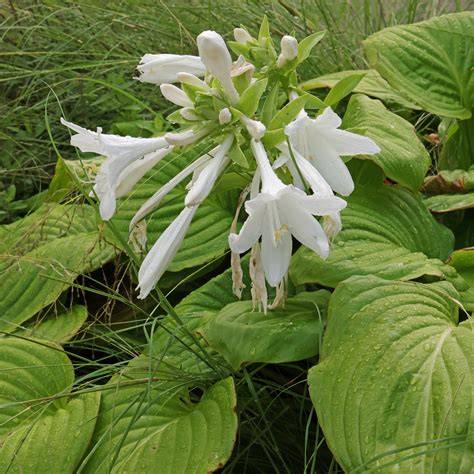
What should I do if my Hosta isn't blooming?
If your Hosta plantaginea isn't blooming, several factors could be at play. First, ensure it's receiving adequate light; too little can hinder flowering. If the plant is in full shade, consider relocating it to a spot with some morning sun.
The age of the plant can also affect blooming; younger plants may take a few years to flower. Additionally, excessive fertilization can promote leafy growth instead of blooms, so use fertilizers sparingly and according to the recommended guidelines.
Check for any signs of stress, such as pests or diseases, which can also prevent blooming. After addressing these issues, give your Hosta some time, as it can take a season or two to establish and bloom.
When is the best time to plant Hosta plantaginea?
The best time to plant Hosta plantaginea is in the spring or early fall. Spring planting allows the plant to establish before summer heats up, while fall planting gives it a head start before winter dormancy. If planting in spring, wait until after the last frost to avoid damage.
Prepare the soil by mixing in compost to improve fertility and drainage. Water the newly planted Hosta thoroughly and continue to keep the soil moist as it establishes itself. In areas with milder winters, fall planting can be successful, but mulch around the plant to protect the roots from freezing temperatures.
Seasonal care is essential; in spring, remove any debris and dead leaves from the previous year to promote healthy growth.
Conclusion
Choose the right location for your Hosta plantaginea, focusing on partial shade and well-draining soil. Monitor watering and be vigilant for common pests and diseases. If your plant isn't blooming, evaluate its light exposure and health, and consider its age. With the basics in place, you'll find that growing Hosta plantaginea is a rewarding endeavor that enhances your garden's beauty and fragrance.
Frequently Asked Questions
How often should I water Hosta plantaginea?
Water Hosta plantaginea deeply about once a week, allowing the soil to dry slightly between waterings. Be cautious of overwatering, as this can lead to root rot.
Can Hosta plantaginea grow in full sun?
Hosta plantaginea can tolerate some sunlight, but too much direct sun can scorch its leaves. It’s best to plant it in partial shade to full shade for optimal growth.
What is the lifespan of Hosta plantaginea?
With proper care, Hosta plantaginea can live for many years, often thriving for over a decade. Regular division every few years can help maintain its vigor.
Do I need to fertilize Hosta plantaginea?
Fertilization can promote growth and blooming, but use a balanced fertilizer sparingly. Over-fertilizing can lead to lush foliage without blooms.
Is Hosta plantaginea deer resistant?
Hosta plantaginea is not typically deer resistant, as deer are known to enjoy eating Hosta leaves. If deer are a problem in your area, consider protective measures.