Understanding 'Buddha in a Traffic Jam': Finding Peace
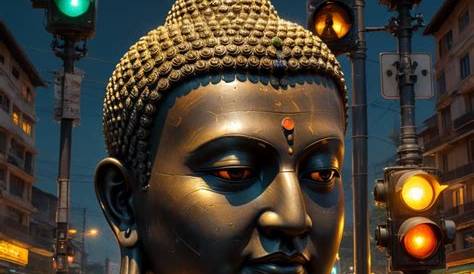
If you're seeking a way to manage stress in your daily life, the concept of 'Buddha in a Traffic Jam' offers valuable insights. This phrase embodies the idea of maintaining inner peace even amid chaos, a principle rooted in Buddhist philosophy. By understanding this concept and integrating its teachings into your life, you can learn to navigate stress more effectively and enhance your overall well-being.
What does 'Buddha in a Traffic Jam' actually mean?
The phrase 'Buddha in a Traffic Jam' symbolizes the struggle of maintaining inner peace while surrounded by chaos. It draws inspiration from Buddhist teachings, where the 'Buddha' represents enlightenment and a calm mind, while the 'traffic jam' signifies everyday obstacles that lead to stress and anxiety. This contrast illustrates the challenge of staying centered in a noisy world. It encourages you to find a peaceful state of mind even when life gets hectic. Understanding this concept is crucial because it highlights that peace is not dependent on your circumstances; rather, it's about your response to them. Accepting the inevitability of chaos allows you to cultivate a calmness that helps you navigate challenges more easily.
Why is this concept relevant to my everyday life?
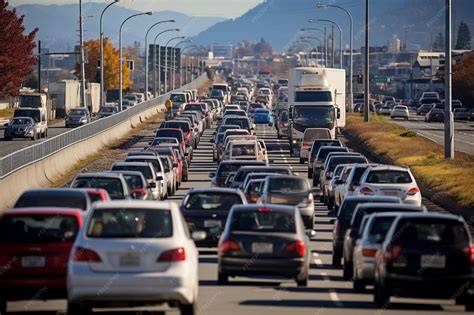
The relevance of 'Buddha in a Traffic Jam' becomes clear when considering daily stressors like traffic congestion, work demands, and personal issues. These factors can create feelings of overwhelm, leading to anxiety or frustration. This philosophy provides a framework for managing stress by shifting your perspective. Instead of trying to eliminate chaos, focus on how you respond to it. For example, during a long commute, you might feel irritation building. Recognizing this moment as an opportunity to practice patience allows you to reframe the experience. The concept encourages mindfulness, reminding you that your mental state can remain stable regardless of external conditions. By integrating this philosophy into your life, you can improve emotional resilience, leading to better mental health and a more balanced existence.
What practical techniques can I use to apply this philosophy?
To embody the essence of 'Buddha in a Traffic Jam,' consider adopting practical techniques that promote mindfulness and effective stress management. One method is meditation. Setting aside a few minutes each day to focus on your breath can help ground you amid chaos. For instance, during a work break, find a quiet space and practice deep breathing. Another technique is mindful observation. When stuck in traffic, rather than succumbing to frustration, take note of your surroundings—observe the colors of the cars, the sounds of nature, or the feel of the steering wheel. This practice redirects your focus away from stressors. Additionally, journaling can be beneficial. Write about your thoughts and feelings to gain clarity and process emotions. These techniques encourage a calm mindset, enabling you to handle daily challenges more effectively.
Are there any success stories or examples of this philosophy in action?
Many individuals successfully apply the principles of 'Buddha in a Traffic Jam' in their lives. For example, a busy executive who often felt stressed during long commutes began practicing mindfulness techniques. By using her travel time to listen to calming music and focus on her breathing, she transformed her commute from a frustrating necessity to a peaceful moment for reflection. Another example involves a teacher who faced daily chaos in the classroom. By incorporating brief mindfulness exercises with her students, she reduced her own stress and fostered a calmer environment for them. These stories illustrate that integrating this philosophy into daily routines can lead to tangible improvements in managing stress and enhancing overall well-being. They show that finding peace in chaos is achievable and can significantly improve your quality of life.
What are the challenges in practicing this philosophy consistently?
Practicing 'Buddha in a Traffic Jam' consistently can be challenging, especially when facing overwhelming stressors. One common obstacle is the tendency to get caught up in negative emotions, such as frustration or anxiety. In stressful situations, it can be easy to forget your intention to remain calm. Another challenge is the misconception that you must eliminate stress entirely to find peace. This belief can lead to feelings of failure when stress inevitably arises. It’s essential to understand that practicing this philosophy is an ongoing journey, not a destination. To overcome these challenges, remind yourself that it's okay to feel stressed; the key is how you respond to those feelings. Setting realistic expectations and celebrating small victories in your practice can reinforce your commitment to finding peace amid chaos.
Conclusion
To start applying the principles of 'Buddha in a Traffic Jam' in your life, begin with small, manageable practices like mindfulness or meditation. Focus on moments throughout your day where you can pause and breathe, especially during stressful situations. Rather than striving for perfection, recognize that progress is what matters. Over time, you'll likely discover that you can maintain a sense of calm even in the most chaotic circumstances, leading to a healthier, more balanced life.
Frequently Asked Questions
What is the origin of the phrase 'Buddha in a Traffic Jam'?
The phrase originates from Buddhist teachings, symbolizing the challenge of maintaining inner peace amid external chaos, such as traffic jams or other daily stressors.
How can I practice mindfulness effectively?
To practice mindfulness effectively, start with short sessions of focused breathing or meditation. Gradually increase the duration as you become more comfortable, and try to integrate mindfulness into everyday activities, like eating or walking.
Can 'Buddha in a Traffic Jam' help with work-related stress?
Yes, applying the principles of 'Buddha in a Traffic Jam' can help you manage work-related stress by shifting your perspective and teaching you to respond calmly to challenges, rather than becoming overwhelmed.
Is it possible to eliminate stress completely?
It's unlikely to eliminate stress entirely, as it's a natural part of life. However, you can learn to manage your response to stress and cultivate a sense of calm despite it.
What if I struggle to stay calm during stressful moments?
It's normal to struggle with staying calm during stressful moments. Remember that practice takes time. Acknowledge your feelings, and gently remind yourself to return to your mindfulness techniques.