Understanding Biljana Plavšić: Her Role in the Yugoslav Wars
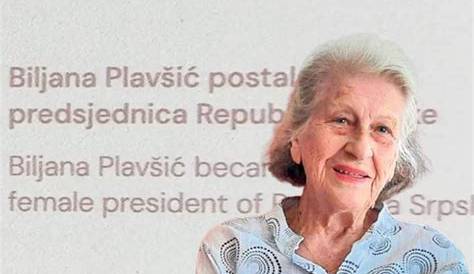
Biljana Plavšić is a key figure in the context of the Yugoslav Wars, primarily recognized for her role in Bosnia and Herzegovina's political landscape during the 1990s. As president of the Republika Srpska from 1996 to 1998, her actions and the international response to her leadership provide critical insights into war crimes and their implications for international law.
Who is Biljana Plavšić?
Born on July 7, 1930, in Sokolac, Bosnia and Herzegovina, Biljana Plavšić emerged as a significant political figure following the breakup of Yugoslavia. She began her career as a biology professor but transitioned into politics, joining the Serbian Democratic Party. Plavšić quickly ascended the political ranks, becoming a central figure during the Bosnian War. Her election as president of the Republika Srpska in 1996 occurred in the aftermath of extensive ethnic conflict. Plavšić's leadership was marked by strong nationalist views, placing her at the center of numerous controversies surrounding the war and its aftermath.
What were her major actions during the Yugoslav Wars?
During the Yugoslav Wars, Biljana Plavšić significantly influenced the policies of the Republika Srpska. She participated in decision-making processes that led to major military actions, including the siege of Sarajevo and campaigns of ethnic cleansing targeting Bosniaks and Croats. Her backing of the Bosnian Serb Army contributed to numerous atrocities. Throughout her presidency, Plavšić often minimized the severity of the crimes committed and sought to rationalize her government's actions, reflecting a nationalist agenda that prioritized Serb interests in Bosnia over reconciliation.
What charges were brought against her?
Biljana Plavšić faced grave charges of war crimes, including genocide and crimes against humanity, due to her involvement in the ethnic cleansing during the Bosnian War. The International Criminal Tribunal for the former Yugoslavia (ICTY) indicted her in 1999 for her role in the systematic persecution of non-Serb populations. These charges underscore the legal and moral responsibilities of political leaders in wartime, as Plavšić's actions were part of a larger pattern of violence and discrimination during the conflict.
How did the international community respond?
The international community's response to Biljana Plavšić's actions involved legal proceedings and diplomatic pressures. Following her indictment, she was arrested in 2001 and tried by the ICTY, where she ultimately pleaded guilty to one count of persecution as a crime against humanity. This plea agreement sparked controversy and highlighted the complexities of international justice. Global reactions varied, with some leaders and organizations supporting the tribunal's efforts while others expressed skepticism about the effectiveness of international law in addressing war crimes. Plavšić's case raised important questions about accountability and the responsibilities of political leaders in conflicts.
What is her legacy today?
Biljana Plavšić's legacy remains contentious, reflecting broader debates about war crimes and justice. Some view her as a symbol of nationalist fervor, while others see her as an example of failed leadership during crises. In contemporary discussions, she is frequently referenced concerning the accountability of political leaders for war crimes and the challenges of achieving justice in post-conflict societies. Her case continues to influence legal discussions, shaping how international law addresses similar issues in the future.
Conclusion
Examining the life and actions of Biljana Plavšić offers valuable insights into political responsibility during wartime. Her case is crucial for understanding the enforcement of international law and the ongoing challenges in seeking justice after conflict.
Frequently Asked Questions
What was Biljana Plavšić's role in the Bosnian War?
Biljana Plavšić was a leading political figure in the Republika Srpska and significantly influenced decisions that led to military actions and ethnic cleansing during the Bosnian War.
What were the consequences of her actions?
Her actions contributed to widespread atrocities, resulting in her indictment for war crimes by the International Criminal Tribunal for the former Yugoslavia.
How did she respond to the charges against her?
Biljana Plavšić pleaded guilty to one count of persecution as a crime against humanity during her trial at the ICTY.
What is the significance of her legacy?
Her legacy is significant in discussions about accountability for war crimes and the responsibilities of political leaders during conflicts.