Understanding the Battle of Sanfengshan: Key Facts
The Battle of Sanfengshan was a significant yet lesser-known military conflict in China that occurred in the late 19th century. It arose amid the civil unrest and foreign intervention faced by the Qing dynasty, revealing the internal struggles for power and autonomy during this tumultuous period. This battle serves as a crucial case study for understanding the dynamics that shaped modern Chinese history.
What led to the Battle of Sanfengshan?
The Battle of Sanfengshan emerged from a complex mix of political and social tensions in the late 1800s. The Qing dynasty was grappling with internal strife, particularly from secret societies and local militias frustrated with imperial rule. The earlier Taiping Rebellion, which began in the 1850s, weakened Qing control and encouraged local uprisings. In this context, the Sanfengshan region became a flashpoint as local rebels sought to assert their autonomy amid declining imperial authority. The local population, feeling neglected and oppressed, often perceived the Qing forces as a foreign entity rather than protectors, fueling the conflict and leading to an outbreak of violence as both sides vied for control over the region.
Who were the key figures in the battle?
The Battle of Sanfengshan featured prominent figures from both the Qing dynasty and local militia forces. General Zeng Guofan represented the Qing side, known for his efforts in suppressing the Taiping Rebellion and commanding a well-organized army. However, he faced challenges due to internal divisions within the Qing and a lack of local support. Opposing him were local militia leaders, often affiliated with secret societies, who had distinct motivations for resisting Qing authority. These leaders were typically more familiar with the terrain and enjoyed backing from local communities, providing them with a strategic advantage. Their grassroots support was crucial, as they rallied villagers to their cause, transforming the conflict into a battle not only for territory but also for the loyalty of the local populace.
What happened during the battle itself?
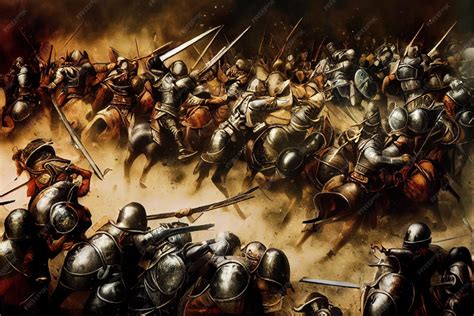
The Battle of Sanfengshan was marked by intense fighting, featuring traditional tactics such as ambushes and flanking maneuvers. The rugged terrain of the Sanfengshan area played a crucial role, allowing local militias to leverage their knowledge of the geography. They employed guerrilla tactics, striking swiftly and retreating into the hills, which frustrated the more conventional Qing forces. The battle lasted several days, with both sides suffering casualties. Ultimately, the local militia's strategy, combined with their determination and local support, proved effective. Despite being numerically inferior, they outmaneuvered the Qing troops, resulting in a significant victory that highlighted the limitations of the Qing military in addressing local uprisings.
What were the consequences of the Battle of Sanfengshan?
In the immediate aftermath of the Battle of Sanfengshan, the local militia solidified their control over the region, posing a significant challenge to Qing authority. The Qing dynasty's inability to quell this uprising underscored its weakened state and contributed to a loss of legitimacy among the populace. Over the long term, the battle sparked a ripple effect of resistance against Qing rule across various provinces, inspiring other local leaders to rise against the central authority. This period of instability played a role in the eventual collapse of the Qing dynasty in the early 20th century, marking a significant shift in China's power dynamics. The battle illustrated the growing disconnect between the Qing rulers and local populations, a trend that would exacerbate tensions leading up to the 1911 revolution.
How does the Battle of Sanfengshan fit into the larger narrative of Chinese military history?
The Battle of Sanfengshan is a critical event in the timeline of Chinese military conflicts, exemplifying how local resistances shaped the broader historical landscape. It reflects a period when the Qing dynasty faced increasing challenges from both internal and external pressures. Analyzing this battle provides insight into the series of uprisings that contributed to the fall of imperial rule in China. The tactics employed by local militias at Sanfengshan became models for future conflicts, influencing the strategies of later revolutionary movements. The significance of the battle extends beyond its immediate outcome; it serves as a reminder of the complexities of dissent and the factors that can lead to major political change in a nation.
Conclusion
To understand the Battle of Sanfengshan more deeply, examine the social dynamics and local grievances that fueled the conflict. Consider the motivations of both the Qing forces and local militia leaders to appreciate the struggle for power. Recognizing how this battle fits into the broader context of Chinese history will provide a clearer picture of the forces that shaped modern China, leading to a nuanced perspective on how local conflicts can influence national narratives.
Frequently Asked Questions
What were the main causes of the Battle of Sanfengshan?
The battle stemmed from local uprisings against Qing authority, driven by dissatisfaction with imperial rule and the impact of the Taiping Rebellion. Tensions between the Qing dynasty and local militias created an environment ripe for conflict.
Who were the main leaders involved in the Battle of Sanfengshan?
Key figures included General Zeng Guofan for the Qing forces and various local militia leaders who opposed him. These militia leaders were often from secret societies and enjoyed strong local support.
What tactics were used during the Battle of Sanfengshan?
The battle featured guerrilla tactics from local militias, who used their knowledge of the rugged terrain to ambush Qing forces. The Qing troops relied on traditional military formations, which proved less effective against local strategies.
What were the outcomes of the Battle of Sanfengshan?
The local militia achieved a significant victory, solidifying their control in the region and highlighting the Qing dynasty's weakened state. This battle contributed to a series of uprisings that challenged Qing authority.
How did the Battle of Sanfengshan influence future conflicts in China?
The tactics and local resistance seen in the Battle of Sanfengshan influenced subsequent uprisings against the Qing dynasty and contributed to the broader narrative of dissent that ultimately led to the fall of imperial rule.