Understanding the Battle of Dara: Its Impact on Roman-Persian Relations
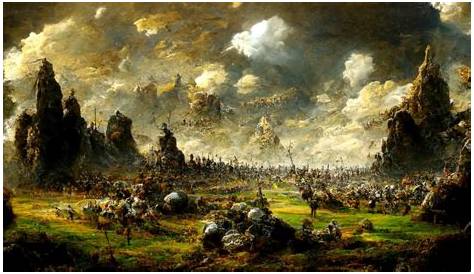
The Battle of Dara, fought on June 20, 530 AD, was a pivotal confrontation between the Eastern Roman Empire and the Sassanian Persian Empire. This battle was not just another episode in the long history of Roman-Persian conflicts; its repercussions significantly influenced the dynamics of their ongoing rivalry. Taking place near Dara, in modern-day Turkey, it featured notable leaders such as the Roman general Belisarius and the Persian king Kavadh I, showcasing their military strategies and the struggle for dominance between these ancient powers.
What happened during the Battle of Dara?
The Battle of Dara occurred on June 20, 530 AD, near the city of Dara, a vital frontier town for the Romans. This conflict arose during a period of intense rivalry between the Eastern Roman Empire, also known as the Byzantine Empire, and the Sassanian Empire of Persia. General Belisarius led the Roman forces, while Kavadh I commanded the Persians. The battle began with Kavadh launching an offensive against the Romans, seeking to exploit their perceived weakness. Recognizing the importance of defending Dara, Belisarius prepared his troops strategically by fortifying the city's defenses and positioning his forces to maximize their combat effectiveness against the larger Persian army. Fierce fighting ensued, with Belisarius employing clever tactics to encircle and surprise the Persian forces. Despite being outnumbered, the Romans managed to hold their ground, securing a decisive victory that boosted their morale and solidified Belisarius's reputation as a military leader.
Why was the Battle of Dara significant?
The Battle of Dara was significant as it marked a turning point in the ongoing Roman-Persian conflicts. It not only showcased Belisarius's military prowess but also revealed the vulnerabilities of the Persian forces under Kavadh. Strategically, Dara was crucial for the Romans, serving as a gateway to their eastern provinces and a buffer against Persian incursions. The victory allowed the Romans to maintain control over their territories and deter further Persian advances for a time. This battle highlighted the importance of military innovation and leadership in shaping conflict outcomes, reinforcing Roman dominance in the region and sending a clear message to Persia about the resilience of the Byzantine military.
What tactics did the Romans and Persians use?
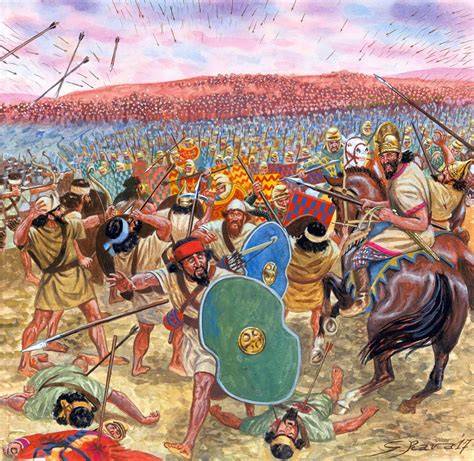
In the Battle of Dara, both the Romans and Persians employed distinct military tactics that reflected their strengths and weaknesses. The Romans, under Belisarius, utilized a combination of defensive strategies and rapid counterattacks. They relied on fortifications around Dara to create a stronghold and deployed cavalry and infantry in coordinated assaults to disrupt Persian formations. Belisarius's ability to adapt quickly to battlefield conditions allowed the Romans to exploit gaps in the Persian lines effectively. Conversely, the Persians, though larger in number, often relied on traditional frontal assaults, which left them vulnerable to Roman tactical flexibility. Kavadh's forces encountered difficulties maneuvering in the terrain surrounding Dara, limiting the effectiveness of their larger army. This contrast in tactics not only influenced the battle's outcome but also set the stage for future engagements, emphasizing how adaptability and strategic positioning can alter the course of war.
How did the Battle of Dara affect future conflicts?
The aftermath of the Battle of Dara had significant implications for future conflicts between Rome and Persia. The Roman victory bolstered their confidence and military reputation, enabling them to adopt a more aggressive stance in the region. It laid the groundwork for subsequent campaigns, including those led by Belisarius in the following years, which aimed to reclaim lost territories and expand Roman influence. Conversely, the defeat at Dara compelled the Persians to reassess their strategies. Kavadh faced internal dissent following the loss, prompting him to consolidate power within his empire and rethink his military approach. The battle also influenced Persian tactics in future engagements, leading them to adopt more flexible strategies in response to Roman adaptability. This shift in military doctrine would play a crucial role in subsequent battles as both empires continued vying for supremacy.
What lessons can we learn from the Battle of Dara today?
The Battle of Dara offers important lessons about military strategy and diplomacy that remain relevant. One key takeaway is the significance of adaptability in leadership. Belisarius’s ability to adjust his tactics based on battlefield conditions exemplifies how flexibility can lead to success, especially when facing a larger opponent. Additionally, the battle highlights the importance of understanding terrain and using it to one’s advantage, a principle applicable in both military and non-military contexts. Furthermore, the aftermath of the battle illustrates the role of morale and public perception in military conflicts; a decisive victory can enhance the reputation of leaders and their armies, influencing political stability and future engagements. The dynamics between Rome and Persia also remind us that prolonged conflicts can lead to shifts in strategy and alliances, underscoring the necessity of understanding an opponent's strengths and weaknesses in any competitive scenario.
Conclusion
To grasp the significance of the Battle of Dara, explore its strategic context and the key players involved. Consider how military tactics influenced the outcome and shaped future conflicts between Rome and Persia. Focus on the broader implications of adaptability and strategy in warfare rather than just the specific numbers. A solid understanding of this battle will enhance your appreciation for the complexities of Roman-Persian relations and the enduring lessons they provide.
Frequently Asked Questions
Who were the key figures in the Battle of Dara?
The key figures in the Battle of Dara included the Roman general Belisarius, who commanded the Byzantine forces, and the Persian king Kavadh I, who led the Persian troops.
What was the outcome of the Battle of Dara?
The outcome of the Battle of Dara was a decisive victory for the Romans, solidifying their control over the region and showcasing the military capabilities of General Belisarius.
How did the Battle of Dara influence Roman-Persian relations?
The Battle of Dara influenced Roman-Persian relations by reinforcing Roman military dominance for a time and prompting the Persians to reevaluate their strategies in future conflicts.
What were the main tactics used by the Romans in the Battle of Dara?
The Romans employed a combination of defensive strategies and counterattacks, leveraging their fortifications and coordinating cavalry and infantry assaults.
Why is the Battle of Dara considered a turning point?
The Battle of Dara is considered a turning point because it marked a significant Roman victory that boosted morale and altered the course of future military engagements between the two empires.