Understanding the Aftermath of the Syrian Civil War
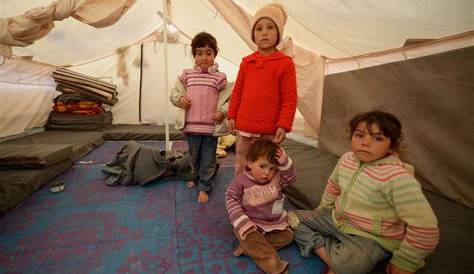
The Syrian civil war has created a lasting humanitarian crisis, displacing millions and leaving deep scars on its people and the region. The ongoing effects of the conflict are evident in the struggles for survival, complex political dynamics, and economic devastation. Understanding these long-term consequences is vital for anyone concerned about global stability and humanitarian issues.
What are the immediate consequences for Syrian civilians?
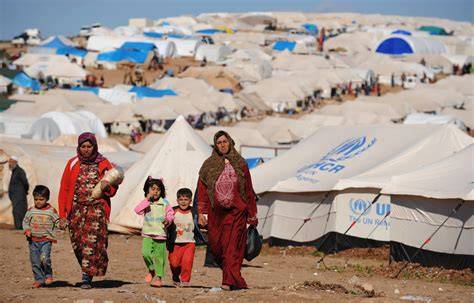
The humanitarian crisis in Syria has forced millions to flee their homes, both internally and as refugees in other countries. Many Syrians endure harsh living conditions, lacking access to basic necessities such as food, clean water, and healthcare. The war has caused a collapse of medical infrastructure; diseases once under control have re-emerged, and many hospitals are now either destroyed or inoperable. Imagine living in a camp with limited access to clean water and no medical assistance for your family. This situation leads to increased mortality rates among vulnerable populations, particularly children and the elderly. The psychological toll is severe, with widespread trauma affecting the mental health of survivors of violence, loss, and displacement. The humanitarian response faces significant challenges due to ongoing conflict and political complexities, hindering aid organizations from delivering assistance efficiently.
How has the political landscape in Syria changed?
Since the civil war began, Syria's political landscape has transformed dramatically. President Bashar al-Assad's government has regained control over large areas of the country, largely aided by military support from allies like Russia and Iran. This shift has fragmented the opposition, with various factions fighting for dominance. While the Assad regime has consolidated power, the legitimacy of its rule remains contentious, both within Syria and internationally. Many Syrians who opposed the regime have sought refuge abroad, while those who remain often live under oppressive conditions. The involvement of foreign nations complicates the situation further, as different countries back various factions, creating a geopolitical struggle that heavily impacts the local population. The prospects for lasting peace appear uncertain, as unresolved issues regarding governance, human rights abuses, and political representation persist.
What is the economic situation in Syria post-war?
The war has devastated Syria's economy, resulting in widespread unemployment and poverty. Infrastructure has been ravaged, industries have collapsed, and agricultural production has sharply declined, jeopardizing food security for millions. The national currency has lost substantial value, making basic goods unaffordable for many families. For instance, a loaf of bread that once cost only a few Syrian pounds can now require a small fortune in a market where prices fluctuate unpredictably. Although rebuilding efforts are underway, they face significant hurdles, including a lack of funding, ongoing conflict, and a shortage of skilled labor. International sanctions further complicate recovery, limiting investments and aid. While some local initiatives aim to revive the economy, the journey to recovery is long and fraught with challenges.
How are neighboring countries affected by the Syrian civil war?
The Syrian civil war has profoundly affected neighboring countries, primarily through the massive influx of refugees. Nations like Turkey, Lebanon, and Jordan have taken in millions of Syrian refugees, placing immense strain on their resources and infrastructure. For example, Lebanon now has one of the highest per capita refugee populations in the world, intensifying competition for jobs, housing, and social services. This sudden demographic shift can create tensions within host communities, as locals may feel overwhelmed by the influx. Additionally, the war has altered regional stability, with various factions and foreign powers vying for influence. The spillover effects have raised security concerns, including the emergence of extremist groups exploiting the chaos. As neighboring countries grapple with these challenges, the long-term implications for regional relations and stability are still unfolding.
What can be done to support Syria’s recovery?
Supporting Syria’s recovery requires a comprehensive approach that addresses both immediate humanitarian needs and long-term rebuilding efforts. Individuals can help by donating to reputable organizations that provide direct aid, including food, medical assistance, and shelter. Advocacy for policies that promote humanitarian access and protect human rights in Syria is also essential. On a broader scale, international organizations and governments should facilitate dialogue and peacebuilding initiatives to ensure a stable political future. Rebuilding infrastructure and offering education and job training for displaced individuals can help restore livelihoods and foster resilience within communities. Every small action counts, and collective efforts can significantly impact the lives of those affected by this ongoing crisis.
Conclusion
To support Syria effectively, start by educating yourself on the situation and identifying credible organizations to donate to. Misinformation that oversimplifies the conflict or suggests quick fixes can be harmful; the reality is complex and demands sustained efforts. A successful outcome involves not only immediate relief for those suffering but also long-term strategies for rebuilding and reconciliation, fostering a more stable future for Syria and the region.
Frequently Asked Questions
What is the current state of humanitarian aid in Syria?
Humanitarian aid in Syria is critically needed, with many organizations striving to deliver food, medical supplies, and shelter. However, ongoing conflict and bureaucratic obstacles often hinder effective distribution, leaving many in dire situations.
How many people have been displaced due to the Syrian civil war?
Estimates suggest that over 12 million people have been displaced since the war began in 2011, with millions seeking refuge in neighboring countries and others displaced internally within Syria.
What role do foreign countries play in Syria's future?
Foreign countries significantly impact Syria's future, with various nations backing different factions in the conflict. This involvement complicates peace efforts and influences the political landscape, often prolonging instability.
Is there any hope for peace in Syria?
While discussions about peace are ongoing, the path to a stable and lasting resolution remains complex. Many underlying issues, such as governance and human rights, must be addressed for genuine peace to be achievable.
What can individuals do to help Syrian refugees?
Individuals can assist Syrian refugees by donating to reputable charities, raising awareness about their plight, and advocating for policies that support refugee rights and integration into host communities.