Understanding Abd al-Malik al-Muzaffar: His Life and Impact
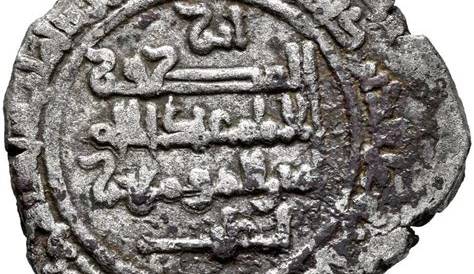
Abd al-Malik al-Muzaffar was a prominent ruler of the Ayyubid dynasty in the 13th century, known for his significant influence on Islamic governance during a tumultuous period. His actions as Sultan helped shape the political landscape of the Middle East, particularly in response to the challenges posed by the Crusades and internal divisions among Muslim factions.
Who was Abd al-Malik al-Muzaffar?
Born in 1210, Abd al-Malik al-Muzaffar was a member of the Ayyubid dynasty, which governed parts of the Middle East following the era of Saladin. He ascended to the position of Sultan of the Ayyubid state in 1249, amidst a complex political environment marked by the Crusades and ongoing internal strife. His reign focused on consolidating power, maintaining stability, and expanding influence through both military and diplomatic efforts.
What were his key achievements?
Abd al-Malik al-Muzaffar made several significant contributions during his rule. He defended his territories against the invading Crusaders, demonstrating military skill that helped strengthen Islamic positions in the region. Additionally, he implemented reforms in administration that improved tax collection and governance, enhancing the economic stability of his state. He was also a patron of cultural and intellectual pursuits, creating an environment where scholars and artists could thrive.
How did he influence Islamic governance?
His governance style combined military strength with political savvy. Abd al-Malik al-Muzaffar emphasized central authority and the importance of a unified Islamic state, influencing the leadership styles of his successors. He introduced bureaucratic reforms that streamlined decision-making and improved communication across his territories. However, he faced challenges from local leaders resistant to centralized control, highlighting the ongoing tension between authority and regional autonomy in Islamic governance.
What is his legacy today?
Abd al-Malik al-Muzaffar is remembered for his military successes and political strategies that laid the groundwork for future Islamic leaders. While some misconceptions about his rule focus primarily on military conflicts, his contributions to administration and culture are increasingly recognized. Historians view him as a complex ruler whose efforts significantly contributed to the stability and cultural richness of the Ayyubid period.
Conclusion
Examining the life of Abd al-Malik al-Muzaffar provides valuable insights into the governance and cultural advancements of medieval Islamic societies. His legacy continues to shape our understanding of leadership in Islamic history.