Understanding the 2023 Pakistani Census and Its Impact
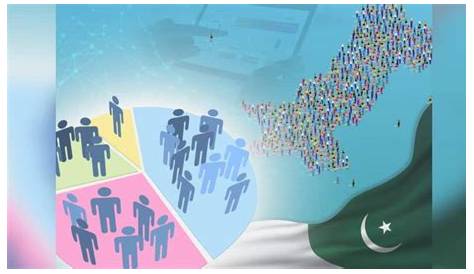
If you're concerned about how the 2023 Pakistani census results might affect your community, you're not alone. These results are crucial for understanding population dynamics and guiding resource allocation at both local and national levels. The census revealed significant population shifts and demographic changes that could influence everything from local services to political representation.
What are the main results of the 2023 Pakistani census?
The 2023 Pakistani census has revealed several key population statistics and demographic shifts. One of the most notable outcomes is the population growth rate, which has increased compared to previous years, with urban centers experiencing more significant growth due to rural-to-urban migration. The census also highlighted changes in age distribution, particularly a growing youth population, which may influence future policy decisions. Understanding these shifts is essential, as they can inform various aspects of community life, from job creation to educational needs.
How will these results impact my community?
The census results will directly affect your community in several ways. They will influence how government funding is allocated for essential services such as education, healthcare, and infrastructure. For instance, a growing population in your area may lead to increased funding for schools or hospitals. Additionally, census data affects political representation, as districts may be redrawn based on population changes. This can influence your voting power and the attention your community receives from local and national leaders. Areas that have experienced growth might gain additional representation, while those that have stagnated may see a decrease.
What changes were made in the census process this time?
This year's census introduced significant changes in methodology compared to previous editions. A crucial change was the use of advanced technology for data collection, including digital methods that aimed to improve both accuracy and efficiency. Enumerators were equipped with tablets to record information, enabling faster data processing. There was also a strong emphasis on inclusivity, with specific measures implemented to ensure marginalized communities were accurately counted. These improvements are intended to enhance the reliability of the collected data, which is vital for effective decision-making.
What should I know about the census data privacy?
Concerns about privacy regarding census data are valid, as personal information is collected. However, it's important to understand that the census data is anonymized and protected by law. Personal identifiers are removed to prevent tracing the data back to individuals. The government has strict regulations in place to safeguard this information, ensuring it cannot be used for purposes beyond statistical analysis. While the data can inform public policy and funding decisions, your individual privacy is maintained.
How can I access the census data for my area?
Accessing census data for your locality is straightforward. The Pakistan Bureau of Statistics typically publishes the census results on their official website, where you can find detailed reports and datasets. You can search for your specific region to see how the statistics apply locally. Additionally, many academic institutions and local government offices may also provide access to this data and assist in interpreting it. Familiarizing yourself with these resources can help you engage more effectively in community discussions and planning.
Conclusion
To understand the implications of the 2023 Pakistani census for your community, start by reviewing the census data relevant to your area. This will provide insight into how population changes may affect local services and representation. While the details can seem overwhelming, focus on what impacts your daily life, such as local schools and healthcare facilities. Staying informed will enable you to participate meaningfully in discussions about how your community can respond to these changes.
Frequently Asked Questions
What is the purpose of the census in Pakistan?
The census in Pakistan aims to collect vital demographic data that helps in planning and resource allocation. It informs government decisions regarding public services, political representation, and economic development.
How often does Pakistan conduct a census?
Pakistan conducts a census every ten years. The last census was held in 2017, and the 2023 census is the most recent, following this decennial schedule.
How can I ensure my community is accurately represented in the census?
To ensure accurate representation, community members should participate fully in the census process. Encourage your neighbors to cooperate with enumerators to ensure everyone is counted.
What happens if someone is missed in the census?
If someone is missed in the census, it can lead to underrepresentation and insufficient funding for that community. However, there are typically processes in place to address discrepancies after the census is completed.
Can I see the census results for my specific locality?
Yes, you can access the census results for your specific locality through the Pakistan Bureau of Statistics' official website, where they publish detailed reports and datasets.