Understanding the 2018 United States Senate Election in Nevada
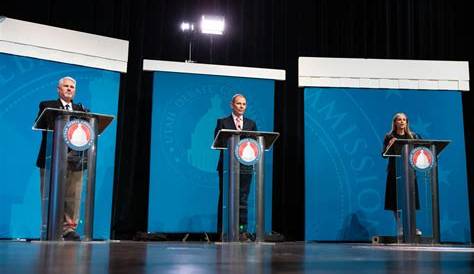
The 2018 United States Senate election in Nevada resulted in Democrat Jacky Rosen defeating incumbent Republican Senator Dean Heller. This election is significant for voters in Nevada as it reflects changing political dynamics and addresses key issues that impact their community. The election saw approximately 60% of eligible voters participating, illustrating strong engagement among Nevadans regarding the future direction of the state.
What happened in the 2018 Nevada Senate election?
In the 2018 Nevada Senate election, Jacky Rosen emerged victorious over Dean Heller, marking a notable shift in the state's political landscape. Rosen received about 50.4% of the vote, while Heller garnered approximately 45.1%. This election was part of a broader national trend where Democrats gained seats in the Senate. Voter turnout was high, with around 60% of eligible voters participating, which is substantial for a midterm election. This level of engagement indicates that many Nevadans were invested in the outcome and its potential implications.
Who were the main candidates and what did they stand for?
Jacky Rosen, a former congresswoman, campaigned on healthcare, education, and gun control, positioning herself as a champion for Nevada's working families. She emphasized the need for affordable healthcare and better educational opportunities. Dean Heller focused on maintaining a strong economy and reducing government regulations, highlighting his support for tax cuts and job creation. Both candidates sought to appeal to Nevada's diverse electorate, but Rosen's emphasis on healthcare resonated strongly with voters concerned about the future of the Affordable Care Act.
What were the major issues that shaped the election?
Several key issues influenced the 2018 Senate election results in Nevada. Healthcare was a primary concern, as many voters worried about losing coverage under the Affordable Care Act. Immigration also played a significant role, given Nevada's sizable immigrant population and the heated debate over immigration reform. Additionally, the economy—particularly job growth and wages—was crucial, with voters seeking candidates who could address their immediate economic concerns while proposing long-term solutions to socioeconomic challenges.
How did voter demographics affect the election outcome?
Voter demographics in Nevada revealed a diverse landscape that significantly influenced the election results. Young voters, particularly those under 30, turned out in large numbers, favoring Jacky Rosen's progressive platform. The state's growing Hispanic and Asian populations also leaned toward Rosen, reflecting national trends of minority voters supporting Democratic candidates. Conversely, Dean Heller found support among older and rural voters, but this demographic was insufficient to secure his re-election. Understanding these demographic shifts is vital for analyzing how future elections may unfold in Nevada.
What are the implications of the election results for Nevada?
The outcome of the 2018 Senate election will have lasting implications for Nevada's political dynamics. With Jacky Rosen in office, expect a focus on healthcare reform, education funding, and social issues that resonate with a majority of the electorate. This shift may lead to increased federal support for state initiatives and influence local policies. Additionally, Heller's defeat could signal a changing political landscape in Nevada, where Democratic candidates might gain an advantage in future elections, particularly if they continue to address the concerns of younger and more diverse voters.
Conclusion
To understand the implications of the 2018 Senate election, it's essential to monitor the policies proposed and enacted by Jacky Rosen and the Democratic leadership. Observing how these changes affect local issues, especially in healthcare and education, will be beneficial. Engaging in community discussions can also help you consider how your voice can shape Nevada's future as these dynamics evolve.
Frequently Asked Questions
What were the main platforms of Jacky Rosen and Dean Heller?
Jacky Rosen focused on healthcare, education, and gun control, advocating for affordable healthcare and better educational opportunities. Dean Heller emphasized economic growth, tax cuts, and job creation, appealing to voters concerned about the economy.
How did voter turnout in Nevada compare to previous elections?
Voter turnout in the 2018 Senate election was around 60%, which is notably high for a midterm election. This level of participation indicates strong engagement among Nevada voters regarding the election's implications.
What key issues influenced Nevada voters in the 2018 election?
Healthcare, immigration, and the economy were pivotal issues. Voters were particularly concerned about the Affordable Care Act, immigration reform policies, and job growth.
How did demographics play a role in the election outcome?
Demographic factors were crucial; younger voters and minority groups, particularly Hispanic and Asian populations, largely supported Jacky Rosen, while older and rural voters tended to favor Dean Heller. This shift reflects broader trends in electoral behavior.
What are the potential future implications of Rosen's victory for Nevada?
Rosen's victory could lead to a greater focus on progressive policies, particularly in healthcare and education. It may also signal a shift in Nevada's political landscape, with Democratic candidates gaining strength in future elections.