Understanding the 2011 Enterprise Tornado and Its Impact
The 2011 Enterprise tornado, which struck Joplin, Missouri, on May 22, 2011, was one of the deadliest tornadoes in U.S. history. With winds exceeding 200 miles per hour, it caused extensive destruction and loss of life. For residents impacted by this tragedy, understanding its timeline and effects can provide insight into the community's journey of recovery.
What happened during the 2011 Enterprise tornado?
The 2011 Enterprise tornado developed around 5:00 PM on May 22, 2011. It quickly intensified as it moved northeast, striking Joplin directly around 5:41 PM. The tornado traveled approximately six miles through the heart of the city, reaching a maximum width of nearly a mile. Rated as an EF5 on the Enhanced Fujita Scale, it signifies the highest level of tornado intensity. The storm left a path of destruction that included obliterated neighborhoods, businesses, and critical infrastructure. The tornado dissipated around 5:59 PM, having already caused immense devastation, leaving a lasting impact on Joplin and its residents.
How did the tornado affect the community of Joplin?
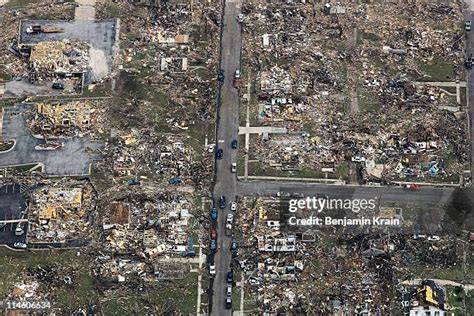
The tornado had a catastrophic effect on Joplin, resulting in 158 confirmed fatalities and over 1,000 injuries. The destruction was extensive; about 7,500 homes were damaged or destroyed, alongside numerous businesses and schools, including Joplin High School. The local infrastructure was severely impacted, with major roads and utilities disrupted. Entire neighborhoods were erased, and many families were displaced. The psychological toll on the community was also significant, as residents grappled with the loss of loved ones and their homes, fostering a collective grief that took time to heal. The immediate aftermath saw many residents coming together to support each other, illustrating the strength of the community during this challenging time.
What are the stories of those who experienced the tornado?
The voices of survivors tell a powerful story of resilience and courage. Many residents recall hearing the tornado’s roar as it approached, with some taking shelter in basements or interior rooms. One survivor described huddling in a bathroom with her family, praying for safety as the house shook violently around them. After the storm passed, she emerged to find her home destroyed but felt immense gratitude that her family survived. Others shared experiences of helping neighbors, demonstrating how the community came together in the face of tragedy. These personal accounts highlight not only the terror of that day but also the strength and unity of the human spirit in adversity.
What was the response from emergency services?
Local authorities and emergency services responded swiftly to the devastation, focusing on search and rescue operations immediately after the tornado struck. Firefighters, police, and medical personnel worked tirelessly to reach those trapped under debris and provide medical assistance to the injured. The Federal Emergency Management Agency (FEMA) and the state of Missouri also joined efforts to assist with recovery. Within days, shelters were established for displaced residents, and supply drives were organized to provide food, clothing, and other essentials. The recovery process took years, involving the rebuilding of homes and infrastructure, but the initial response demonstrated the community’s commitment to supporting each other through disaster.
What lessons were learned from the 2011 tornado?
The 2011 Enterprise tornado prompted significant changes in emergency preparedness and community resilience initiatives. Key lessons included the need for improved warning systems and public education regarding tornado safety. In response, Joplin implemented enhanced weather alert systems and encouraged residents to have emergency plans in place. Building codes were revised to ensure new constructions could better withstand severe storms. Community organizations also began focusing on mental health support for those affected by trauma, recognizing the long-term psychological impact of such disasters. These lessons have helped Joplin become more prepared for future emergencies, fostering a stronger, more resilient community.
Conclusion
To understand the impact of the 2011 Enterprise tornado, it's essential to focus on the personal stories of survivors and the community's recovery efforts. Acknowledging the ongoing challenges many residents face, even years later, is crucial. By fostering community connections and supporting local initiatives, you can contribute to a resilient Joplin that honors its past while looking to the future.
Frequently Asked Questions
What caused the 2011 Enterprise tornado?
The 2011 Enterprise tornado was caused by a combination of atmospheric conditions typical for tornado formation, including warm, moist air colliding with cold, dry air. This instability created the severe thunderstorms that ultimately developed into the tornado.
How long did the tornado last?
The tornado lasted approximately 18 minutes, causing extensive damage during its path through Joplin, which lasted about six miles.
What was the aftermath of the tornado in Joplin?
The aftermath included a massive recovery effort involving local, state, and federal resources. Thousands of homes and businesses were rebuilt, and the community worked together to heal from the physical and emotional scars left by the disaster.
Are there memorials for the victims of the tornado?
Yes, Joplin has established memorials to honor the victims of the tornado, including a memorial park and various tributes throughout the city to remember those who lost their lives.
How did the tornado impact local policies on emergency preparedness?
The tornado led to significant changes in local policies, including improved building codes and enhanced emergency alert systems, ensuring that the community is better prepared for future disasters.