Understanding the 1994 New York Gubernatorial Election
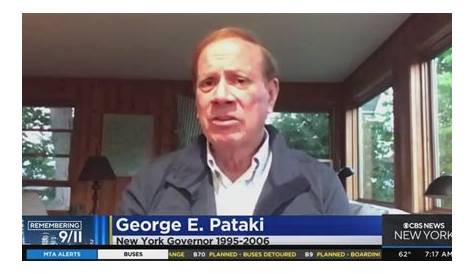
The 1994 New York gubernatorial election was a pivotal event in the state's political history, marking a significant shift in leadership. Republican George Pataki defeated incumbent Democrat Mario Cuomo, who had served three terms, reshaping the political dynamics of New York.
Who were the main candidates in the 1994 election?
The primary candidates in the 1994 New York gubernatorial election were George Pataki and Mario Cuomo.
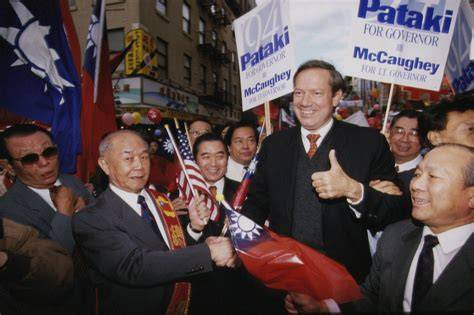
George Pataki, previously the mayor of Peekskill, emerged as a relatively unknown figure during his campaign. He presented himself as a fiscal conservative, focusing on tax cuts and crime reduction, which appealed to voters seeking change from the long-standing Democratic leadership.
Mario Cuomo was an established political figure, having served as governor since 1983. His campaign emphasized his accomplishments, including progressive policies on education and social issues. However, he faced criticism for the state’s economic struggles, which he found challenging to address during the campaign.
What were the major issues at stake?
Several key issues influenced voters in the 1994 gubernatorial election. Crime was a significant concern, as rising crime rates prompted many New Yorkers to favor candidates promising tougher law enforcement measures.
The economy also played a crucial role. Under Cuomo's leadership, New York faced considerable economic challenges, including high taxes and budget deficits. Pataki’s commitment to tax cuts and economic growth resonated with voters tired of the status quo.
Education reform and the management of state resources were additional hot topics. Voters expressed concerns about public education quality and state fund allocation, making these issues critical in shaping electoral preferences.
How did the election results change New York politics?
George Pataki's victory in the 1994 gubernatorial election was historic, marking the first time a Republican had been elected governor of New York in over a decade. His win disrupted the Democratic hold on the governorship and signaled a shift in the state’s political landscape.
The election results led to a Republican gain in the state legislature, altering its composition. Pataki's administration initiated tax cuts and reforms that influenced New York's budget priorities for years. This shift fostered more competitive elections, prompting both parties to adapt their strategies to appeal to a broader electorate.
What were the long-term effects of the election?
The 1994 gubernatorial election had lasting implications for New York politics. Pataki's victory represented a move toward more conservative policies in a state traditionally governed by Democrats. His administration set a precedent for future Republican candidates, demonstrating that a strong focus on economic issues could resonate with voters statewide.
Moreover, the election prompted Democrats to reassess their strategies and policies, leading to a period of introspection within the party. This election also influenced subsequent gubernatorial races, as future candidates began to prioritize fiscal responsibility and crime reduction, reflecting the issues that emerged during the 1994 campaign.
Conclusion
Understanding the 1994 New York gubernatorial election is essential for grasping the evolution of political dynamics in the state. The outcomes of this election reshaped party strategies and voter engagement, influencing many subsequent elections and continuing to inform current political discourse.
Frequently Asked Questions
What was the voter turnout for the 1994 New York gubernatorial election?
Voter turnout details are not specified, but high-stakes elections like gubernatorial contests typically draw substantial voter participation.
Did any third-party candidates run in the election?
Yes, a notable third-party candidate was Tom Golisano, who ran on the Independence Party line, although he did not win a significant share of the vote.
What were the main campaign strategies used by Pataki?
Pataki's campaign focused on a message of change, emphasizing tax cuts and crime reduction, while utilizing grassroots efforts to connect with voters.
How did Cuomo's campaign change in response to Pataki's rise?
Cuomo's campaign attempted to emphasize his record and experience, but he struggled to effectively counter criticisms regarding the economy and crime.