The Tragic 1946 C-53 Skytrooper Crash: What Happened
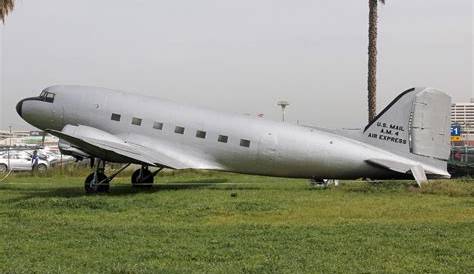
The 1946 C-53 Skytrooper crash is a pivotal event in aviation history that illustrates the challenges faced by military aviation during the transition from wartime to peacetime operations. On February 10, 1946, the crash resulted from mechanical failures and pilot error, raising critical issues about aviation safety. Examining this tragic incident reveals not only the specific causes behind the crash but also the broader implications for military operations and safety regulations at the time.
What caused the 1946 C-53 Skytrooper crash?
The crash of the C-53 Skytrooper was primarily due to a combination of mechanical failures and pilot error. Reports indicated that the aircraft experienced significant engine trouble shortly after takeoff, specifically the failure of one of its two engines, which severely compromised its ability to maintain altitude. The pilot attempted to return to the airfield but struggled to control the aircraft effectively. Additionally, problems with the propeller control system further contributed to a loss of power. This interplay of mechanical issues and pilot mishandling led to the aircraft crashing just a few miles from the airport. These factors underscore the necessity for rigorous pre-flight inspections and comprehensive pilot training, particularly for emergency situations.
How did this crash fit into the post-war aviation landscape?
In 1946, military aviation was undergoing a significant transformation following World War II. Many military aircraft, including the C-53 Skytrooper, were being repurposed for civilian duties without appropriate modifications to meet new operational demands. The shift to peacetime operations brought challenges such as altered flight patterns, increased civilian air traffic, and a heightened focus on safety that had not been prioritized during the war. The C-53 crash underscored the urgent need for improved pilot training for those transitioning to civilian operations and reinforced the necessity for stringent maintenance protocols for aging aircraft. As military aviation adapted to this new environment, lessons learned from incidents like the C-53 crash began to influence future operational standards.
What were the immediate consequences of the crash?
The immediate aftermath of the C-53 Skytrooper crash was marked by tragedy, as all 32 individuals on board lost their lives, prompting an urgent investigation by military authorities. Extensive media coverage followed, raising critical concerns about the safety of military aircraft in civilian operations. Investigators focused on the mechanical failures and decisions made by the pilot, leading to a thorough examination of existing aviation protocols. This incident highlighted the pressing need for enhanced safety regulations within military aviation, especially as more military aircraft transitioned to civilian roles. In response to the crash, there was a concerted effort to improve pilot training programs and establish stricter maintenance schedules, setting the groundwork for future reforms in aviation safety.
What changes in aviation safety followed this incident?
The tragic crash of the C-53 Skytrooper significantly influenced aviation safety regulations. In the wake of the incident, military authorities placed greater emphasis on thorough pre-flight inspections and regular maintenance checks for all military aircraft. The crash revealed vulnerabilities in older aircraft and underscored the necessity for updated safety protocols. Consequently, military aviation authorities began implementing more stringent guidelines regarding pilot training, particularly concerning emergency procedures. Additionally, this incident fostered collaborative safety programs between military and civilian aviation sectors, emphasizing the shared responsibility of maintaining high safety standards. These changes helped lay the foundation for the more rigorous aviation safety regulations we see today.
What can we learn from the C-53 Skytrooper crash today?
The lessons from the C-53 Skytrooper crash remain relevant in contemporary aviation practices. First and foremost, the importance of mechanical reliability and thorough inspections is crucial. This incident serves as a reminder that both pilot training and aircraft maintenance are essential components of aviation safety. Current aviation practices should prioritize ongoing education and simulation training for pilots to prepare them for unexpected emergencies. Moreover, the crash highlights the need for clear communication between military and civilian aviation sectors, fostering a culture of safety that transcends operational boundaries. By reflecting on historical incidents like the C-53 crash, the aviation industry can continue to evolve and enhance safety standards.
Conclusion
Reflecting on the C-53 Skytrooper crash provides valuable insights into the evolution of aviation safety regulations. Understanding the technical and human factors that contribute to such incidents is crucial. While it's easy to overlook history, recognizing the lessons learned from past accidents can lead to improved safety practices today. Honoring those affected by this tragedy means striving for an aviation environment where such incidents are less likely to recur.
Frequently Asked Questions
What were the main causes of the 1946 C-53 Skytrooper crash?
The main causes of the crash were mechanical failures, particularly an engine failure, and pilot error. The combination of these factors led to the aircraft losing altitude and ultimately crashing shortly after takeoff.
How many people were on board the C-53 Skytrooper during the crash?
There were 32 people on board the C-53 Skytrooper when it crashed, and unfortunately, none survived the incident.
What changes to aviation safety regulations were implemented after the crash?
Following the crash, there was a push for improved pre-flight inspections, stricter maintenance protocols, and enhanced pilot training, especially in emergency situations. This led to the establishment of more rigorous safety guidelines in military aviation.
How did the crash affect military aviation in the post-war era?
The crash highlighted the need for better safety practices as military aviation transitioned from wartime to peacetime operations. It prompted a reevaluation of training and maintenance standards for military aircraft.
What lessons can today's aviation industry learn from the C-53 Skytrooper crash?
Today's aviation industry can learn the importance of mechanical reliability, thorough inspections, and ongoing pilot training. The crash serves as a reminder of the need for clear communication and a strong safety culture between military and civilian aviation sectors.